
Blogs
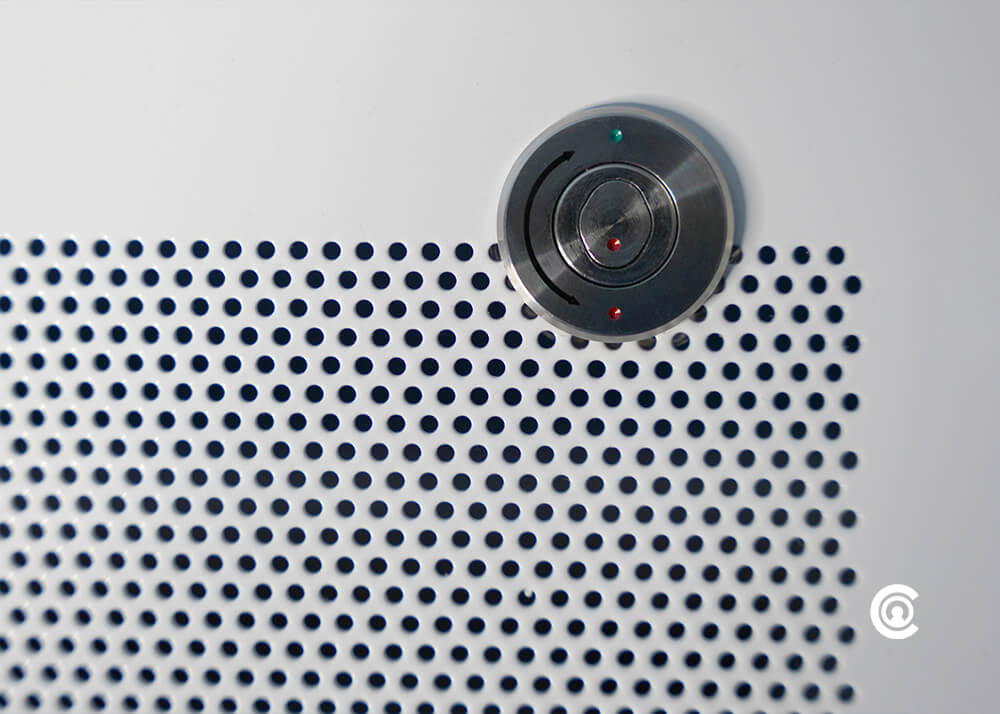
How One Small Design Choice Can Transform an Entire Estate
In complex mental health estates, transformation rarely comes from sweeping change. More often, it comes from a series of small, deliberate design decisions that quietly reshape how environments function over time. This is especially true when considering cam locks in mental health environments.One ...
In complex mental health estates, transformation rarely comes from sweeping change. More often, it comes from a series of small, deliberate design decisions that quietly reshape how environments function over time. This is especially true when considering cam locks in mental health environments.One of the most overlooked of these decisions is the specification of tamper resistant cam locks. Often treated as a minor hardware detail, cam locks sit at the intersection of safety, access, maintenance, and long-term risk management. When specified thoughtfully, a secure cam lock approach can help bring clarity and consistency across an entire estate. Where small specification decisions set the direction for the whole estate Standardisation does not begin at handover. It begins from the moment a component is named on a drawing or schedule.In mental health environments, loosely defined specifications such as “cam lock” or “lock equal and approved” can introduce unintended variation. Over time, that variation compounds across cam locks in mental health environments, resulting in inconsistent outcomes including:• Inconsistent ligature risk profiles• Multiple access arrangements for staff• Increased pressure on estates and maintenance teams• Difficulty maintaining consistent safety standards across sitesA single, clearly defined mental health cam lock specification helps prevent this drift. By identifying one approved secure cam lock or security cam locks solution, estates teams can set a repeatable standard that carries through new builds, refurbishments, and reactive replacements. The hidden influence of everyday hardware Cam locks appear on almost every mental health estate. IPS panels, cupboards, service risers, radiator covers, and secure enclosures all rely on them. As a result, cam locks in mental health environments are handled daily by staff and sit within reach of service users.Because they are so common, the impact of specifying the right secure cam locks is often underestimated. These components must perform reliably in high-use, high-risk settings. When security cam locks are purpose-designed for mental health environments, they support anti-ligature principles, resist manipulation, and maintain consistent performance over time. When they are not, poorly suited cam locks can quietly undermine otherwise well-considered designs. Standardisation without restriction There is a persistent belief that standardisation limits flexibility. In practice, the opposite is true when the right cam lock system is chosen.A single tamper resistant cam lock platform can be configured for different applications through variations in cam length and fixing method. This allows secure cam locks to be used across steel, timber, and composite substrates without introducing additional lock types. As a result, estates teams and specifiers can:• Apply one approved solution across multiple environments• Support both retrofit and new-build projects• Avoid introducing new cam locks or access methodsThis approach delivers flexibility at the design stage, while maintaining simplicity and control at the operational stage. Long-term impact on estates and facilities teams The benefits of thoughtful specification are rarely immediate, but they are long-lasting. Consistent use of cam locks, supported by a single secure cam lock standard, delivers practical benefits over time.Standardised security cam locks support simplified maintenance and spares management, faster fault resolution, reduced training requirements, and clearer audit and compliance processes. For estates and facilities teams managing large, evolving portfolios, these efficiencies reduce day-to-day friction and free up time for higher-value activity. Aligning capital projects with the existing estate One of the greatest challenges in healthcare estates is ensuring that new developments do not reintroduce legacy risks or inconsistencies.By treating cam locks in mental health environments as a standardised safety system rather than a commodity item, capital projects can align more effectively with existing estate strategies. Using the same secure cam lock approach across projects supports safer handovers, smoother occupation, and greater confidence that standards are being upheld across the organisation. Conclusion: turning insight into informed decisions True standardisation is not achieved through mandates alone. It is built through informed, repeatable design choices that stand up to real-world use.Specifying the right tamper resistant cam lock may seem like a small decision, but its influence reaches far beyond the door or panel it secures. Across an entire estate, that single choice can reduce risk, simplify maintenance, and support safer outcomes through consistent use of cam locks and security cam locks.If you are reviewing specifications or planning upcoming works, the most effective way to build confidence is to assess solutions in practice.Request a free sample of Contour Secure’s tamper resistant secure cam lock and see how one small design choice can support safer, more consistent outcomes across your projects and estate. 📞 Call us: 01952 890158📧 Email: sales@contoursecure.co.uk
24 February 2026
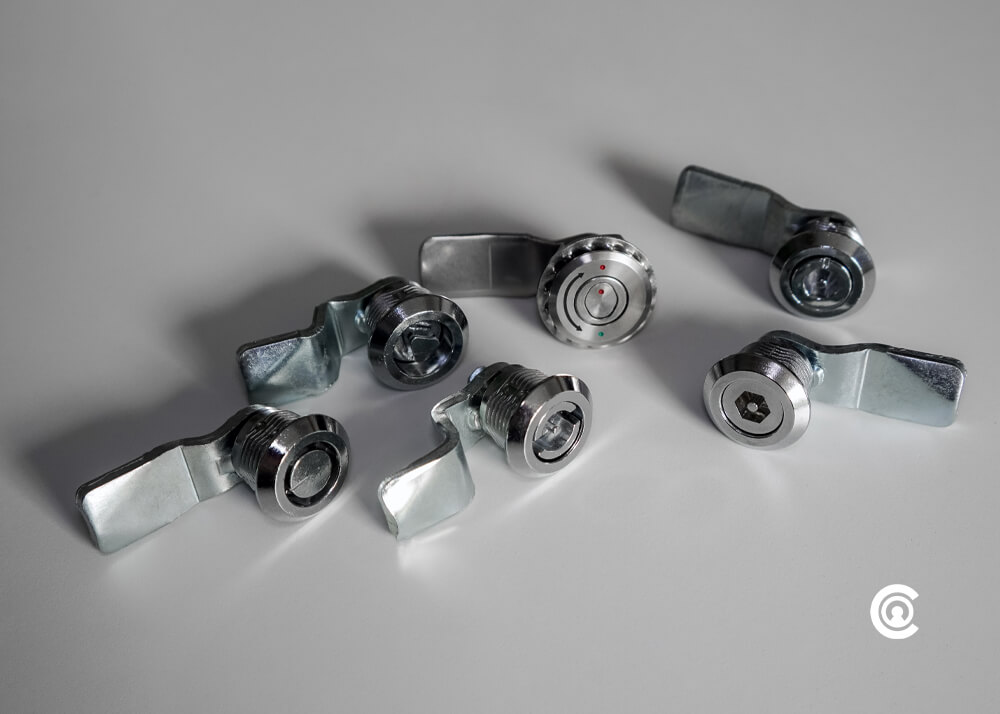
Simplifying Access, Maintenance, and Risk Through Better Specification
In NHS mental health environments, specification decisions are rarely just technical. They sit at the intersection of safety, operational efficiency, compliance, and long-term estate management. Yet one area that is often underestimated is access control at the enclosure level. Cam locks may be ...
In NHS mental health environments, specification decisions are rarely just technical. They sit at the intersection of safety, operational efficiency, compliance, and long-term estate management. Yet one area that is often underestimated is access control at the enclosure level. Cam locks may be small components, but the consequences of how cam locks are specified can ripple across an entire estate, particularly in cam locks in mental health environments.For estates and facilities teams managing multiple sites, varied building ages, and constant adaptation, standardisation is not about removing choice. It is about reducing unnecessary complexity while strengthening risk control through a consistent approach to cam locks and secure cam lock selection. The hidden cost of inconsistent access solutions Over time, many mental health estates accumulate a wide mix of security cam locks. Different suppliers, different key types, different fixing methods, and different risk profiles all contribute to growing variation. Often this happens gradually, driven by project-by-project decisions rather than a coordinated strategy for cam locks in mental health environments.The result is familiar to most estates teams. Maintenance becomes slower because staff need access to multiple keys and spares linked to different cam locks. Training becomes more complex as teams need to understand which security cam locks are suitable in which areas. Audits and compliance checks take longer because risk assessments tied to cam locks are harder to evidence consistently.None of these issues are dramatic in isolation, but together they consume time, increase operational risk, and place additional pressure on already stretched teams. Why standardisation matters in mental health environments In mental health settings, access control is not just about preventing unauthorised entry. It is about designing out opportunity for harm, reducing tampering, and ensuring that only approved staff can access critical areas safely. This is why cam locks in mental health environments require more careful consideration than generic applications.Specifying a single, approved approach to secure cam lock use helps bring clarity. When tamper resistant cam locks and security cam locks are used consistently across enclosures, teams gain confidence that the same level of risk control is being applied whether a cam lock is fitted to a radiator cover, an IPS panel, or an electrical cabinet.This consistency supports safer environments for patients while also making life easier for the people responsible for maintaining cam locks day to day. Standardisation does not mean uniformity A common concern among specifiers is that standardisation removes flexibility. In practice, the opposite is often true. A well-designed mental health cam lock system allows cam locks to be used across materials, door thicknesses, and enclosure types without introducing new lock formats or new risks.Modern security cam locks can be specified to work across steel, timber, and composite panels, and across both retrofit and new-build projects. This allows capital projects and estates teams to respond to architectural and clinical requirements while still maintaining a consistent secure cam lock standard across the estate.The key difference is that flexibility is built into the cam lock system, not created by adding more lock types. Maintenance, access, and long-term efficiency From an estates perspective, the real value of better specification is often felt over time. Standardised cam locks and a single secure cam lock approach simplify spares management, reduce call-out times, and make fault resolution faster. Staff training becomes more straightforward because there is less variation in security cam locks to manage.Just as importantly, audits and compliance reviews become clearer. When one approved cam lock solution is used consistently, it is easier to demonstrate that access risks associated with cam locks in mental health environments have been considered and controlled across the estate.These efficiencies may not be immediately visible at handover, but they accumulate year after year. Better specification starts with small decisions Specifying for standardisation does not require a full redesign of an estate. It often starts with recognising that small components, like cam locks, play an outsized role in safety and operational performance.By taking a more strategic approach to specifying secure cam lock and security cam locks, estates and facilities teams can simplify access, reduce maintenance burden, and strengthen risk management without compromising clinical needs or design intent. Conclusion: see the difference for yourself Thoughtful specification is easiest when you can evaluate solutions first-hand. If you are reviewing access strategies across mental health environments, seeing how a secure cam lock performs in real-world conditions can make the decision clearer.To support that process, we offer a free sample of our tamper resistant cam lock, allowing you to assess its suitability for your estate before making any specification decisions. 📞 Call us: 01952 890158📧 Email: sales@contoursecure.co.uk
17 February 2026
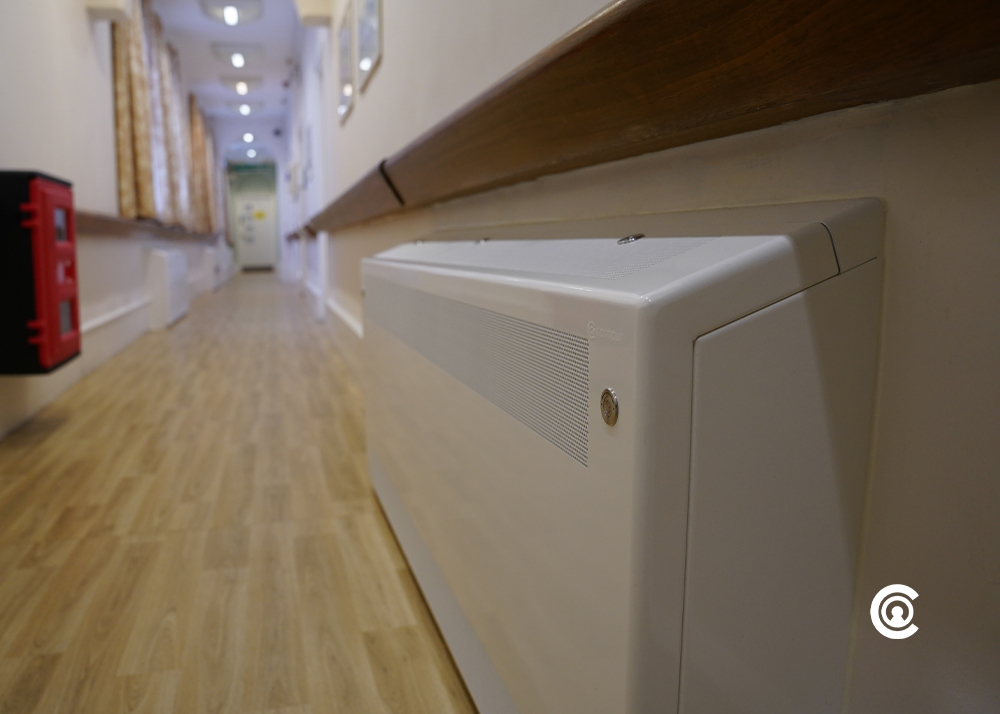
Building a Safer Future: How Standardisation Supports Long-term Estate Resilience
In healthcare estates, every investment should deliver long-term value. For NHS Estates and Facilities teams managing safety-critical environments, that means implementing systems that are durable, maintainable, and adaptable as standards evolve. Contour Secure’s Standardisation Programme helps ...
In healthcare estates, every investment should deliver long-term value. For NHS Estates and Facilities teams managing safety-critical environments, that means implementing systems that are durable, maintainable, and adaptable as standards evolve. Contour Secure’s Standardisation Programme helps achieve exactly that. By unifying safety-critical enclosures under one tamper-resistant locking system, estates not only improve safety today, but they also build resilience for tomorrow. Why Resilience Matters Mental health environments are dynamic spaces that must adapt to changing patient needs, regulatory updates, and operational pressures. Over time, these changes can expose weaknesses in estate design, particularly when multiple locking systems are in use. Legacy fittings may not meet updated standards, replacement parts can become obsolete, and varying specifications make long-term maintenance inconsistent and costly. By standardising now, NHS Trusts can remove those future obstacles. A single locking platform ensures consistency, simplifies future upgrades, and maintains compliance as regulations evolve. Futureproofing Through Consistency Standardisation futureproofs healthcare estates by creating a unified, easily managed foundation. When every radiator guard, access panel, piece of furniture and fitted enclosure uses the same tamper-resistant lock, estates benefit from: Predictable maintenance: Standard components simplify repair and replacement, even years later. Continued compliance: One proven standard supports future HTM and CQC updates. Procurement efficiency: Bulk ordering and standard spares reduce costs and lead times. Sustainability: Fewer unique parts mean less waste and a smaller environmental footprint. A consistent standard makes estates more adaptable, allowing upgrades or expansions to integrate seamlessly with existing safety systems. Designed for Longevity Contour Secure’s tamper-resistant locking system is designed for durability and long-term use in healthcare settings. Each lock provides: Robust, anti-ligature performance Flush-fit, wipe-clean hygiene design Reliable operation under repeated use These qualities not only protect patients and staff but also reduce the frequency of maintenance interventions, saving time, resources, and cost over the lifetime of the estate. A Long-term Partnership Resilience is built through partnership. Contour Secure continues to support NHS Estates teams beyond installation, offering guidance on system maintenance, compliance documentation, and future estate planning. By embedding a standardised approach today, Trusts create an adaptable infrastructure that supports safety, efficiency, and innovation well into the future. Conclusion: Standardisation as a Strategy for the Future Standardisation isn’t just about solving today’s problems; it’s about preparing for tomorrows. By adopting Contour Secure’s tamper-resistant locking system, NHS Estates teams can build long-term resilience into their infrastructure, ensuring that their environments remain safe, compliant, and easy to manage as healthcare standards continue to evolve. Futureproof your estate with Contour Secure. Standardise your locking systems today and build a safer, more resilient environment for the years ahead. 📞 Call us: 01952 890158📧 Email: sales@contoursecure.co.uk
30 December 2025
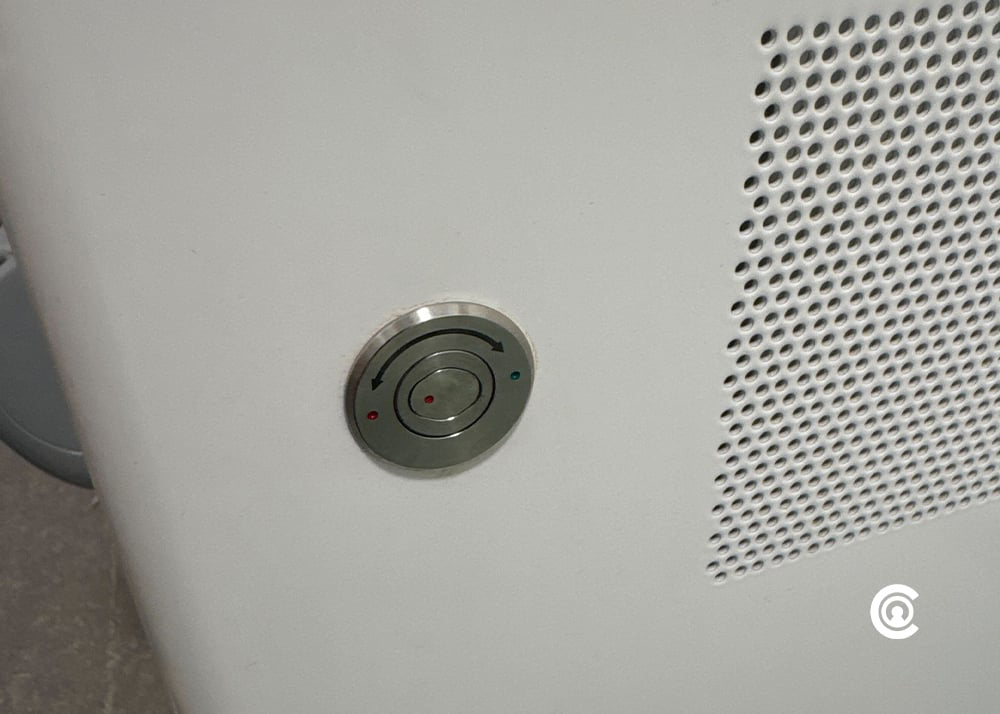
From Audit to Implementation: How Contour Secure Supports Standardisation Across Estates
For many NHS Estates and Facilities teams, the idea of standardising safety systems across multiple sites can feel daunting. With busy live environments, legacy infrastructure, and ongoing maintenance demands, large-scale upgrades must be carefully planned and expertly executed. That’s why Contour ...
For many NHS Estates and Facilities teams, the idea of standardising safety systems across multiple sites can feel daunting. With busy live environments, legacy infrastructure, and ongoing maintenance demands, large-scale upgrades must be carefully planned and expertly executed. That’s why Contour Secure’s Standardisation Programme has been designed as a managed, step-by-step process. From initial audit to full implementation, our approach ensures that the transition to one tamper-resistant locking system is safe, efficient, and tailored to the unique needs of mental health environments. Step 1: The Estate Audit Every successful standardisation journey begins with understanding the current landscape.Our team starts with a comprehensive audit, identifying where legacy locks, mixed systems, or non-compliant fittings are currently in use. The audit process includes: Site inspections to review enclosures such as radiator covers, IPS panels, and fitted furniture. Documentation mapping to record existing lock types and key systems. Risk assessment to highlight safety, ligature, and hygiene concerns. This audit provides the foundation for a strategic upgrade plan, giving estates full visibility of their current position before any changes are made. Step 2: The Upgrade Plan Following the audit, Contour Secure develops a phased upgrade plan designed to minimise disruption and align with estate priorities. This includes: Detailed scheduling around operational needs and ward occupancy. Specification alignment to ensure new locks integrate seamlessly with existing enclosures. Procurement coordination to manage materials efficiently. The goal is a smooth transition from multiple lock types to one consistent, tamper-resistant standard, without affecting day-to-day operations. Step 3: Supply and Installation Implementation is carried out by experienced, accredited installation teams who understand the challenges of working in live mental health environments. All installations follow a strict safety and hygiene protocol to ensure patient welfare and minimal disruption. Each lock is fitted, tested, and documented in line with NHS standards, providing Estates teams with full traceability and confidence in compliance. Contour Secure’s tamper-resistant locking system is manufactured in the UK, with durable materials designed for long-term reliability in healthcare settings. Step 4: Ongoing Support and Documentation Our partnership doesn’t end at installation. Contour Secure provides post-project support that includes: Staff training on access procedures and maintenance. Comprehensive documentation to support CQC and HTM audits. Maintenance guidance to ensure continued safe performance. We understand that standardisation is an ongoing commitment. Our support helps ensure the system remains effective and compliant long after the initial rollout is complete. A Partnership Built for Healthcare Contour Secure has extensive experience working within mental health environments, understanding the sensitivities and operational demands these settings require. By acting as a collaborative partner, not just a supplier, we help Estates and Facilities teams achieve a safer, more consistent environment; one that reduces administrative strain and enhances patient safety. Conclusion: Streamline for Safety and Savings Standardisation doesn’t have to be complex. With the right partner, it becomes a structured, supported process that delivers lasting results. From the first audit to the final installation, Contour Secure works alongside NHS Estates teams to simplify, strengthen, and secure their environments through one proven, tamper-resistant locking standard. Partner with Contour Secure to deliver a safe, compliant, and consistent estate through our full Standardisation Programme. 📞 Call us: 01952 890158📧 Email: sales@contoursecure.co.uk
23 December 2025
Healthcare Locking Solutions: A Complete Guide to Safety, Hygiene, and Retrofit Options
Healthcare facilities face increasing pressure to deliver environments that are secure, hygienic, and cost-effective. From IPS panels in bathrooms to furniture in bedrooms and access hatches in corridors, locking systems are a small but critical component of this goal. Too often, locks are ...
Healthcare facilities face increasing pressure to deliver environments that are secure, hygienic, and cost-effective. From IPS panels in bathrooms to furniture in bedrooms and access hatches in corridors, locking systems are a small but critical component of this goal. Too often, locks are overlooked. Yet they directly affect patient safety, infection control, operational efficiency, and long-term maintenance costs. This complete guide brings together the key considerations for healthcare estates, specifiers, and product manufacturers when it comes to cam locks. It explores the risks of outdated designs, the benefits of modern alternatives, and practical retrofit solutions that allow healthcare teams to upgrade without disruption. Why Locks Deserve More Attention in Healthcare When most people think about healthcare safety, they picture ward layouts, clinical equipment, or staff training, but locks are present across every part of an estate: IPS panels in bathrooms and clinical areas Access panels in corridors and service spaces Furniture in bedrooms, treatment rooms, and staff areas Storage units for medicines and equipment Each lock interacts with staff, patients, and cleaning teams daily. If these locks are outdated, they can become weak points that compromise safety and efficiency. The Safety Risks of Legacy Locks Legacy lock designs such as pin hex, crown, tri-head, and square-head inserts were never intended for the unique demands of healthcare. Their weaknesses include: Tampering: Easily opened with improvised tools. Ligature risks: Protruding faces and sharp edges create hazards in mental health settings. Mechanical weakness: Older locks may fail under repeated use, causing downtime and costly repairs. In healthcare environments, these risks can have serious consequences, from patients accessing dangerous services behind panels to repeated maintenance callouts that disrupt ward operations. The Hygiene Case: Why Flat-surfaced Locks Matter Infection control is a constant challenge across estates. Yet traditional locks often have recessed keyways and ridges that trap dirt and bacteria, undermining cleaning regimes. Flat-surfaced cam locks, by contrast, provide: Smooth, wipe-clean faces that integrate into infection control protocols. Faster cleaning times, reducing workload for estates and cleaning teams. Antimicrobial compatibility, allowing coatings to perform effectively. Visual consistency, supporting modern, therapeutic healthcare design. By standardising flat-surfaced locks across facilities, estates teams can strengthen infection control without adding complexity. Retrofitting for Resilience One of the most practical advantages of modern cam locks is their retrofittable design. Many can be fitted directly into the same footprint as standard locks, offering: Quick installation with minimal downtime. Cost savings compared to replacing entire panels or furniture units. Improved resilience with locks designed for tamper-resistance and hygiene. Extended asset life, helping budgets go further. Retrofitting ensures healthcare estates can raise safety standards immediately, without waiting for major refurbishment programmes. Where Locks Matter Most Locks are present in every corner of healthcare estates. Some of the highest-impact applications include: IPS Panels: Securing plumbing and mechanical services in bathrooms and clinical areas. Access Panels: Protecting electrical and mechanical services in corridors. Furniture Locks: Used on built-in storage or patient-area furniture, where low-profile and hygienic designs prevent ligature and infection risks. Ward Environments: Bedrooms, bathrooms, and treatment areas where consistency of lock design helps staff operate efficiently while keeping spaces secure. By recognising the variety of these applications, healthcare teams can apply a holistic approach to lock specification and upgrades. Raising the Bar for Healthcare Locking Standards The healthcare sector is evolving. Standards for safety, hygiene, and design have become more stringent, and locks must keep pace. Key design features in modern cam locks include: Three-point engagement mechanisms that increase tamper resistance. Compression rings that reduce rattle, improve strength, and deter manipulation. Low-profile faces that minimise ligature risks and support infection control. Visual lock indicators to help staff confirm locked/unlocked status immediately. These aren’t just incremental upgrades, they represent a step-change in how locks contribute to safety, hygiene, and resilience across healthcare estates. Small Details, Big Impact From IPS panels in bathrooms to furniture in bedrooms, locks may seem like a small detail in healthcare estates, but they have an outsized impact on safety, hygiene, and long-term costs. By adopting modern tamper-resistant, flat-surfaced cam locks, estates teams and manufacturers can reduce risks, support infection control, and extend asset life, all while keeping disruption and budgets under control. 📞 Call us: 01952 890158📧 Email: sales@contoursecure.co.uk🌐 Or visit: www.contoursecure.co.uk to request a sample or discuss how Secure cam locks can support your next healthcare project.
16 December 2025
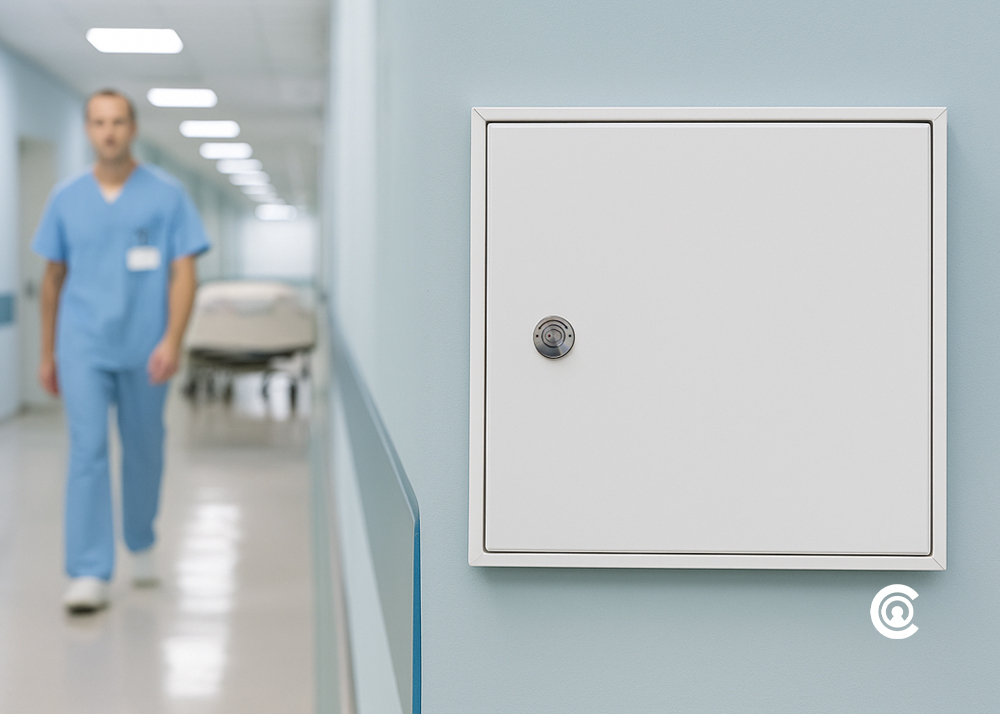
The Hygiene Case for Flat-surfaced Locks in Healthcare Environments
Infection control is one of the highest priorities in healthcare environments. Estates managers, clinical leads, and product manufacturers are under constant pressure to deliver facilities that support cleanliness and patient safety. Yet one of the most overlooked contributors to infection risk is ...
Infection control is one of the highest priorities in healthcare environments. Estates managers, clinical leads, and product manufacturers are under constant pressure to deliver facilities that support cleanliness and patient safety. Yet one of the most overlooked contributors to infection risk is the humble lock. From IPS panels to furniture cupboards and access hatches, locks are touched multiple times a day by staff but rarely considered in infection control strategies. Traditional recessed locks create dirt traps that harbour bacteria and make thorough cleaning almost impossible. In contrast, flat-surfaced cam locks are designed to support modern hygiene standards, making them an essential upgrade for today’s healthcare estates. The Hidden Hygiene Risks of Traditional Locks Legacy lock designs (such as pin hex, crown, or square head) were not created with infection control in mind. Their recessed faces, deep grooves, and exposed ridges create surfaces where dirt and bacteria can accumulate unnoticed. These flaws lead to several risks: Inconsistent cleaning: Recessed keyways are difficult to disinfect effectively, meaning they are often overlooked. Infection control gaps: Dirt build-up undermines cleaning regimes and risks spreading pathogens. Visual clutter: Bulky lock designs can appear institutional and out of step with modern healthcare design. In environments where every surface must be easily wipe-clean, traditional locks represent a hidden weak point. Why Flat-surfaced Locks are Different Flat-surfaced cam locks are engineered to eliminate these hygiene pitfalls. Their smooth, flush faces remove ridges and recesses, making them easy to wipe down during routine cleaning. The benefits include: Improved infection control: Smooth surfaces prevent dirt traps, supporting high hygiene standards. Faster cleaning: Estates and cleaning teams can disinfect locks as quickly as other wipe-clean surfaces. Antimicrobial compatibility: Coatings are more effective on smooth faces, providing an additional layer of defence. Modern appearance: Sleek designs support a therapeutic, non-institutional look in patient-facing areas. More Than Just Hygiene: Safety and Usability Flat-surfaced locks don’t just address hygiene, they bring wider advantages for healthcare estates: Tamper resistance, reducing risks of unauthorised access to IPS panels or storage. Ligature resistance, with low-profile designs that minimise risks in mental health settings. Ease of retrofitting, allowing existing furniture, panels, and hatches to be upgraded without replacement. Clear engagement indicators, helping staff confirm locked/unlocked status immediately. Together, these benefits make flat-surfaced cam locks a small change with big impact across safety, hygiene, and efficiency. Supporting Whole Estate Hygiene Strategies Infection control is not just about wards and clinical spaces. Bathrooms, bedrooms, corridors, and treatment areas all contain locks on IPS panels, access hatches, and furniture. Without hygienic designs, these locks become weak points across entire estates. By specifying flat-surfaced locks consistently across facilities, estates managers can: Standardise cleaning routines. Reduce the risk of missed surfaces. Extend the lifespan of furniture and panels through easier maintenance. Consistency also simplifies training for estates and cleaning teams, ensuring every component supports the same infection control goals. Update Hygiene, Strengthen Safety Outdated locks with recessed designs can trap dirt and undermine infection control in healthcare environments. Flat-surfaced cam locks provide wipe-clean simplicity, improved hygiene, and added tamper resistance, all while fitting into standard lock footprints. It’s a small upgrade with significant benefits for patient safety and operational efficiency. 📞 Call us: 01952 890158📧 Email: sales@contoursecure.co.uk🌐 Or visit: www.contoursecure.co.uk to request a sample or discuss how flat-surfaced cam locks can support your infection control strategy.
11 December 2025
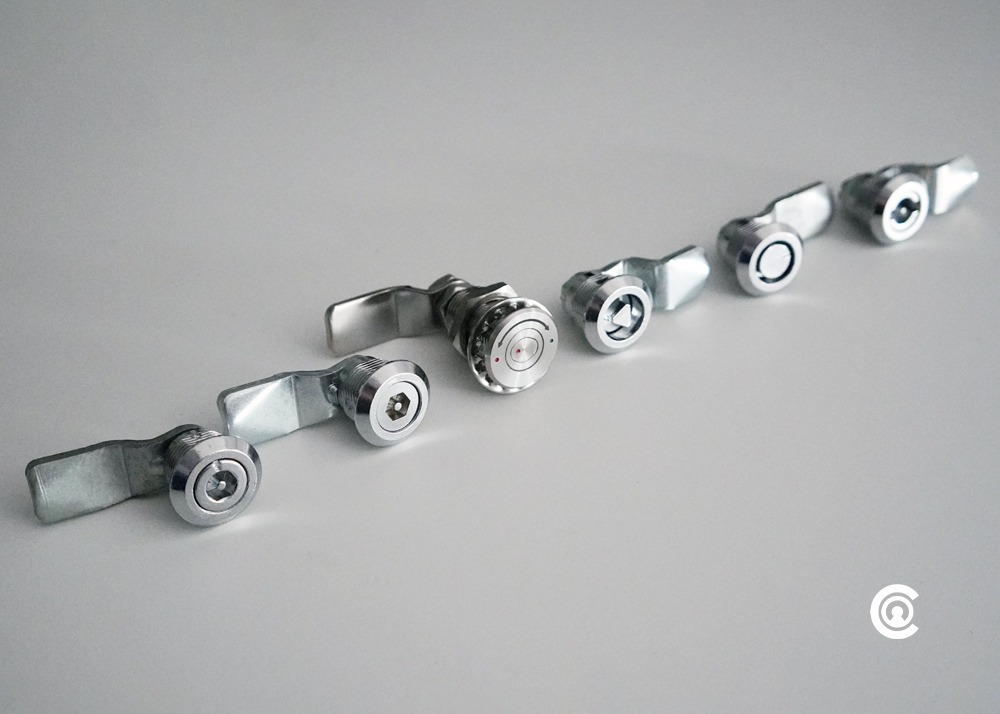
Fewer Keys, Lower Costs: The Operational Benefits of Standardising Locking Systems
Every NHS Estates and Facilities team faces the same challenge: maintaining safety and compliance within tight operational budgets. From reactive maintenance to key management, the practical realities of running a healthcare estate are complex and often made harder by one simple problem: ...
Every NHS Estates and Facilities team faces the same challenge: maintaining safety and compliance within tight operational budgets. From reactive maintenance to key management, the practical realities of running a healthcare estate are complex and often made harder by one simple problem: inconsistency. Across many mental health estates, years of upgrades and maintenance cycles have led to multiple lock types, varied key systems, and non-standard fittings. While this patchwork approach evolves naturally over time, it introduces hidden inefficiencies that cost more to manage in the long term. Contour Secure’s Standardisation Programme is designed to address those inefficiencies head-on, helping estates transition to one tamper-resistant locking system across all enclosures. The result? Fewer keys, faster maintenance, and lower lifetime costs, without compromising safety or compliance. The Cost of Complexity A mixed locking environment doesn’t just create confusion; it drains resources. Every unique lock type requires a separate key, maintenance routine, and set of spare parts. Over time, this leads to: Key proliferation: Dozens of key types circulating among estates teams, contractors, and maintenance staff. Increased training needs: Staff must understand multiple systems, each with its own access process. Higher maintenance costs: Stocking, repairing, and replacing varied lock types increases overhead. Greater downtime: Repairs take longer when components and keys differ between areas. When every door, cover, and panel has its own specification, even routine maintenance becomes unnecessarily complex. Streamlining Operations Through Standardisation By adopting one tamper-resistant locking system across your estate, you immediately simplify how maintenance and security teams operate. With one key system, one specification, and one consistent performance level, Contour Secure helps estates achieve: Operational simplicity: Maintenance teams know exactly how to access, service, and secure enclosures across the estate. Faster response times: Standard locks reduce the need for key changes or component sourcing. Reduced inventory: Only one set of parts and tools is required, cutting procurement and storage costs. Improved accountability: One controlled access system limits unauthorised use and simplifies record keeping. In environments where time and resources are limited, standardisation delivers measurable efficiency gains that quickly offset initial upgrade costs. Efficiency that Enhances Safety Operational efficiency isn’t just about saving time; it’s about improving safety. When maintenance processes are streamlined, teams can respond faster to emerging issues and complete safety-critical repairs without delay. Contour Secure’s tamper-resistant locking system combines efficiency with protection, offering: Flush, anti-ligature design for safety. Durable, wipe-clean surfaces for infection control. Reliable, uniform operation across all fitted products. With one system, every part of the estate works the same way, predictable, manageable, and secure. Proven Value Across Healthcare Estates Standardisation has already proven its value across healthcare environments. Estates teams report: Reduced maintenance workloads thanks to simplified procedures. Improved staff confidence from knowing one consistent standard applies throughout. Lower replacement costs as durable components last longer under consistent specification. In other words, standardisation doesn’t just make estates more compliant, it makes them more sustainable. Conclusion: Streamline for Safety and Savings Inconsistency creates unnecessary complexity. By standardising to Contour Secure’s tamper-resistant locking system, NHS Estates teams can simplify operations, save costs, and strengthen safety, all through one proven platform. Find out how Contour Secure can help you streamline operations and reduce maintenance costs through one simple standardisation programme. 📞 Call us: 01952 890158📧 Email: sales@contoursecure.co.uk
09 December 2025
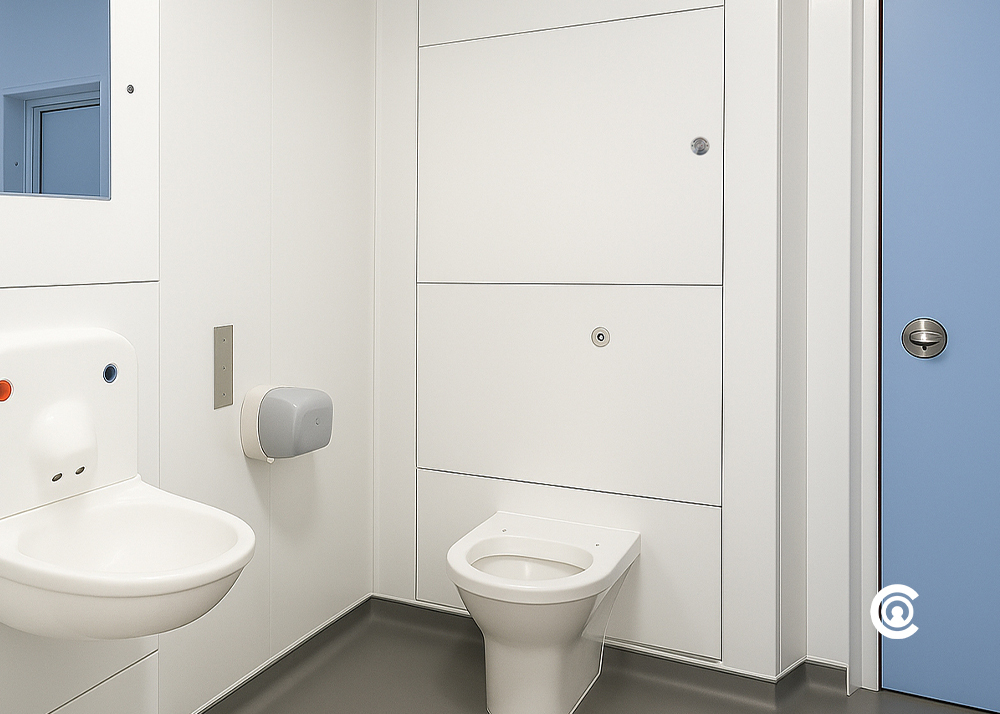
Secure Locking for IPS Panels: Protecting Critical Services in Healthcare
Behind every healthcare environment is an intricate network of plumbing, mechanical, and electrical services. Much of this is hidden behind IPS (Integrated Plumbing System) panels, a discreet design choice that keeps patient areas clean, safe, and functional. IPS panels, however, are only as secure ...
Behind every healthcare environment is an intricate network of plumbing, mechanical, and electrical services. Much of this is hidden behind IPS (Integrated Plumbing System) panels, a discreet design choice that keeps patient areas clean, safe, and functional. IPS panels, however, are only as secure as the locks that protect them. When outdated mechanisms are specified, the risks multiply: unauthorised access, exposure to live services, compromised infection control, and unnecessary maintenance costs. This blog explores why IPS panel locking matters and how modern cam locks are helping healthcare estates safeguard critical services. Why IPS Panels are Essential IPS panels conceal pipework, valves, and other plumbing components in patient bathrooms, treatment areas, and clinical spaces. Their purpose is twofold: Hygiene and safety: Reducing clutter and making surfaces easier to clean. Access for maintenance: Allowing authorised staff to reach services quickly and safely. As they are present in patient-facing environments, IPS panels must strike a balance between easy access for staff and effective security against tampering. The Risks of Outdated Locks Legacy locking mechanisms, such as pin hex, crown, or square-head designs, are still common on IPS panels. While once considered reliable, they present several challenges in modern healthcare estates: Tampering and forced entry: Basic tools can often be used to open or damage panels. Exposure to live plumbing: Patients may gain access to scalding pipes or other hazards. Hygiene concerns: Recessed lock faces trap dirt, making thorough cleaning difficult. Frequent maintenance: Weak locks often require repeated repairs or replacements. These risks are amplified in mental health or custodial settings, where ligature points or unsecured services can create serious safety issues. The Case for Modern Cam Locks Modern tamper-resistant cam locks are designed to overcome these shortcomings while fitting seamlessly into IPS panel systems. Key benefits include: Tamper-resistance: Three-point engagement mechanisms resist manipulation. Flat-surfaced design: Smooth lock faces support infection control protocols. Low-profile construction: Reduces ligature risks in high-security environments. Visual lock indicators: Allow staff to confirm security immediately. Retrofittable footprint: Enables quick upgrades without replacing entire panels. These features mean IPS panels remain secure, hygienic, and compliant, without adding unnecessary complexity for estates teams. Protecting Critical Services IPS panels may appear ordinary, but they conceal vital infrastructure. By investing in secure locking systems, healthcare providers can: Reduce the risk of unauthorised access. Support compliance with infection control standards. Protect patients from exposure to hidden hazards. Minimise operational downtime caused by breaches or repairs. In an era where estates teams are expected to deliver more with less, improving lock security on IPS panels is a small step with major benefits. Stronger Security for IPS Panels IPS panels are a cornerstone of modern healthcare environments, but without secure locks, they represent a weak point in safety and hygiene strategies. Upgrading to tamper-resistant, flat-surfaced cam locks is a fast, cost-effective way to protect patients, reduce maintenance risks, and safeguard critical services. 📞 Call us: 01952 890158📧 Email: sales@contoursecure.co.uk🌐 Or visit: www.contoursecure.co.uk to request a sample or discuss how secure cam locks can enhance IPS panels across your estate.
04 December 2025

Consistency Equals Compliance: Simplifying Audits and Inspections Through Standardisation
For NHS Estates and Facilities teams, compliance is not optional, it’s a core part of maintaining safe, high-quality care environments. From Health Technical Memoranda (HTM) guidance to CQC inspection requirements, estates must demonstrate that their infrastructure meets strict safety, hygiene, and ...
For NHS Estates and Facilities teams, compliance is not optional, it’s a core part of maintaining safe, high-quality care environments. From Health Technical Memoranda (HTM) guidance to CQC inspection requirements, estates must demonstrate that their infrastructure meets strict safety, hygiene, and operational standards. Yet many estates still face the same challenge: inconsistency. Over time, multiple contractors, reactive maintenance, and varying specifications have created a complex mix of lock types, fittings, and finishes across wards. When auditors or inspectors arrive, these inconsistencies make it harder to prove compliance, even when safety measures are in place. Contour Secure’s Standardisation Programme helps NHS teams address this problem head-on by aligning the estate to one tamper-resistant locking system that’s consistent, compliant, and easy to manage. The Compliance Challenge In mental health settings, inconsistency isn’t just an operational issue, it’s a compliance risk. During inspections, assessors look for evidence of: Secure, tamper-resistant fittings Anti-ligature design principles Consistent hygiene standards Robust maintenance and access control procedures If lock types or access points vary between wards, auditors often need separate justifications or documentation for each product in use. This creates additional workload for Estates teams and can expose gaps where compliance records are incomplete or unclear. How Standardisation Simplifies Compliance Moving to a single locking standard helps eliminate these gaps. With one system consistently applied across all enclosures, from radiator covers and IPS panels to fitted furniture, Estates teams can present a clear, unified safety standard during audits and inspections. Contour Secure’s tamper-resistant locking system is designed to meet the requirements of HTM guidance and CQC inspection criteria, offering peace of mind that each lock across the estate performs to the same proven level of safety and hygiene. The benefits of standardisation for compliance include: Clear documentation: One specification means one compliance record for all relevant fittings. Reduced inspection complexity: Auditors can assess one standard across multiple locations rather than dozens of variations. Consistent performance: A tamper-resistant, anti-ligature design proven across healthcare estates. Simplified maintenance evidence: With standardised locks, maintenance logs and inspection checklists are uniform and easier to update. Supporting Estates and Facilities Teams Contour Secure partners with NHS teams to make compliance straightforward. Through our Standardisation Programme, we: Audit existing enclosures and identify non-compliant or inconsistent fittings. Create a phased upgrade plan to align all enclosures with a single compliant standard. Provide documentation and training to support audit readiness and inspection reporting. This structured approach ensures estates are not only compliant today but remain prepared for future regulatory changes. Beyond Compliance: Confidence and Clarity Compliance isn’t just about meeting external standards, it’s about creating safe, predictable environments for patients, staff, and maintenance teams. By standardising to our tamper-resistant locking system, Estates teams gain control, clarity, and confidence. The system’s design supports easy cleaning, consistent hygiene, and durable security, all key considerations for healthcare inspections. With one standard applied across all wards, compliance moves from being a reactive challenge to a proactive achievement. Conclusion: Make Compliance Simple with Standardisation Standardisation is more than a design decision; it’s a compliance strategy. By aligning to Contour Secure’s tamper-resistant locking system, NHS Estates teams can simplify inspections, strengthen documentation, and maintain consistent safety across all environments. Speak to Contour Secure today about aligning your estate to a single, compliant locking standard and make your next audit simple, confident, and stress-free. 📞 Call us: 01952 890158📧 Email: sales@contoursecure.co.uk
02 December 2025
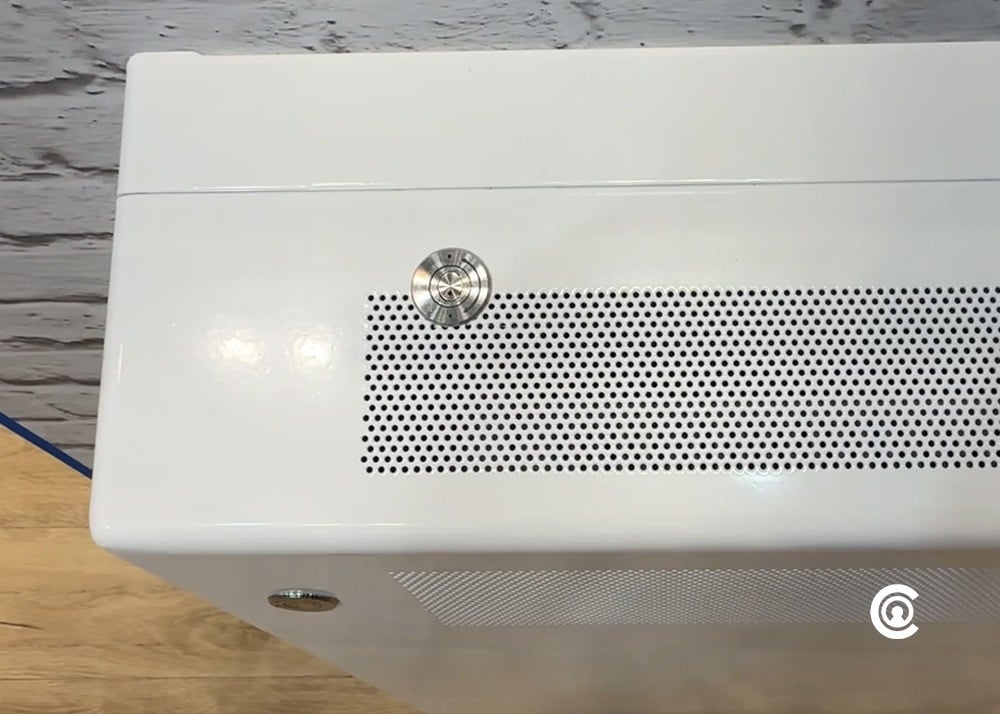
Eliminating Weak Points: How Standardisation Improves Safety in Mental Health Environments
In safety-critical environments such as mental health facilities, small inconsistencies can have significant consequences. When access panels, radiator covers, or enclosures use different lock types across wards or buildings, these variations introduce weak points that compromise safety. Contour ...
In safety-critical environments such as mental health facilities, small inconsistencies can have significant consequences. When access panels, radiator covers, or enclosures use different lock types across wards or buildings, these variations introduce weak points that compromise safety. Contour Secure’s Standardisation Programme has been developed to help NHS Estates and Facilities teams remove these inconsistencies by transitioning to a single, tamper-resistant locking system. This approach strengthens safety, simplifies maintenance, and builds long-term confidence across estates. The Problem with Mixed Locking Systems Across many NHS sites, legacy locking solutions have developed over time through multiple refurbishments, maintenance cycles, and supplier changes. This often leaves estates with a mix of: Old cam locks that can be forced open or picked using everyday items Triangular key systems that are easily duplicated or misplaced Ad-hoc locks fitted by various contractors, often without a unified specification Each inconsistency increases the chance of unauthorised access, potential ligature points, and gaps in compliance. For mental health environments, where patient safety is paramount, these inconsistencies present unacceptable risk. Creating Consistency for Safer Spaces By adopting one locking standard across the estate, NHS Trusts can eliminate these vulnerabilities. Contour Secure’s tamper-resistant locking system is designed specifically for use in safety-critical environments, offering anti-ligature, flush-fit, and wipe-clean performance. When implemented as part of a structured standardisation programme, the benefits extend well beyond physical safety: Predictability: Every ward and panel follows the same locking specification, removing uncertainty for maintenance and security teams. Fewer keys: A single controlled access system simplifies key management and prevents unauthorised duplication. Reduced risk: Consistent, tamper-resistant locks close the gaps left by legacy or untested solutions. A Proactive Approach to Risk Reduction Safety within mental health environments depends on proactive management, identifying and addressing risks before they cause harm. Standardisation embodies this approach by turning a reactive maintenance challenge into a structured, estate-wide solution. Contour Secure works with estates teams to: Audit existing enclosures to identify where legacy locks are in use. Develop a phased upgrade plan that can be implemented with minimal disruption. Train and support staff, ensuring the new system is used safely and effectively. The result is an environment that is not only safer for patients and staff but also easier to maintain and monitor over time. Safely Designed for Healthcare Our tamper-resistant locking system is designed to be used within the healthcare sector. Every detail, from the flush fit to the smooth surface, supports safety, hygiene, and long-term durability. By bringing consistency to enclosures across mental health settings, Contour Secure helps estates teams align safety objectives with operational efficiency and compliance requirements. Conclusion: Eliminating Weak Points Through Standardisation Inconsistencies create risks. Standardisation removes them. By adopting Contour Secure’s tamper-resistant locking system across your estate, you can eliminate weak points, reduce safety risks, and ensure your environments meet the highest standards of protection. Book a Contour Secure Standardisation Audit today and start eliminating safety risks across your estate. 📞 Call us: 01952 890158📧 Email: sales@contoursecure.co.uk
27 November 2025
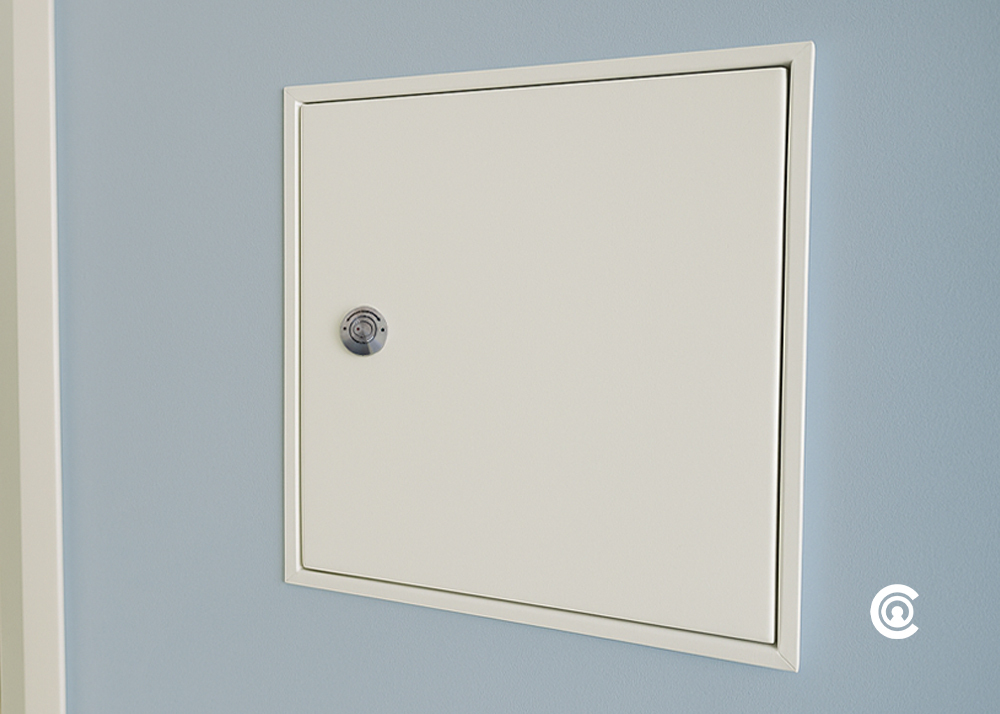
Retrofitting Cam Locks: Why Quick Upgrades Reduce Costs and Downtime
Healthcare estates are under constant pressure to balance safety, compliance, and budgets, all while minimising disruption to patient care. One area where this balance can be struck effectively is through retrofitting. Cam locks, though small, are critical components in IPS panels, access hatches, ...
Healthcare estates are under constant pressure to balance safety, compliance, and budgets, all while minimising disruption to patient care. One area where this balance can be struck effectively is through retrofitting. Cam locks, though small, are critical components in IPS panels, access hatches, and healthcare furniture. When they fail, the consequences can include increased maintenance callouts, infection control concerns, and compromised patient safety. However, replacing entire panels or furniture units is expensive and disruptive. Retrofitting with modern cam locks provides a practical, cost-effective way to upgrade security and hygiene without unnecessary downtime. Why Retrofitting Matters Healthcare environments rarely have the luxury of closing wards or patient areas for long upgrades. Estates teams need solutions that are: Fast to install, reducing disruption to patients and staff. Compatible with existing products, avoiding costly replacements. Budget-friendly, providing measurable safety improvements without overspending. This is where modern tamper-resistant cam locks stand out, many are designed to fit the same footprint as legacy locks, allowing quick replacement with no need for drilling or modifications. The Cost of Doing Nothing Ignoring outdated locks can have hidden costs. Legacy pin hex, crown, or square-head designs are more vulnerable to tampering, harder to clean, and prone to damage. Over time, this can lead to: Frequent maintenance callouts, stretching resources. Costly replacements of entire panels or furniture units. Infection control risks where recessed or dirt-trapping designs make cleaning difficult. Extended downtime when patient areas need to be taken offline for repairs. These issues add up both financially and operationally. The Benefits of Retrofitting Modern Locks Switching to tamper-resistant cam locks brings clear advantages: Cost savings: Replace only the lock, not the entire enclosure or unit. Minimal downtime: Retrofits are quick and easy, meaning wards remain operational. Improved hygiene: Flat-surfaced designs support infection control protocols. Enhanced safety: Low-profile, tamper-resistant mechanisms reduce risks. Futureproofing: Modern locks are designed with today’s healthcare standards in mind, giving facilities more resilience. For estates teams under pressure, retrofitting provides an efficient way to improve safety standards while protecting budgets. Real-world Impact Consider the difference between two scenarios: Replacing an entire IPS panel due to weak locks could cost hundreds in materials and labour, plus downtime. Retrofitting with a modern cam lock can be achieved at a fraction of the cost and with minimal disruption. The long-term impact is just as significant: fewer callouts, fewer replacements, and greater confidence in patient safety. Retrofitting Made Simple When it comes to healthcare estates, retrofitting cam locks is one of the fastest, most cost-effective ways to improve safety and hygiene. With designs that fit standard footprints, upgrading is simple, and the benefits are immediate. Why replace entire panels or furniture units when a smarter upgrade exists? 📞 Call us: 01952 890158📧 Email: sales@contoursecure.co.uk🌐 Or visit: www.contoursecure.co.uk to request a sample or discuss how retrofitting cam locks can reduce costs and downtime in your estate.
25 November 2025
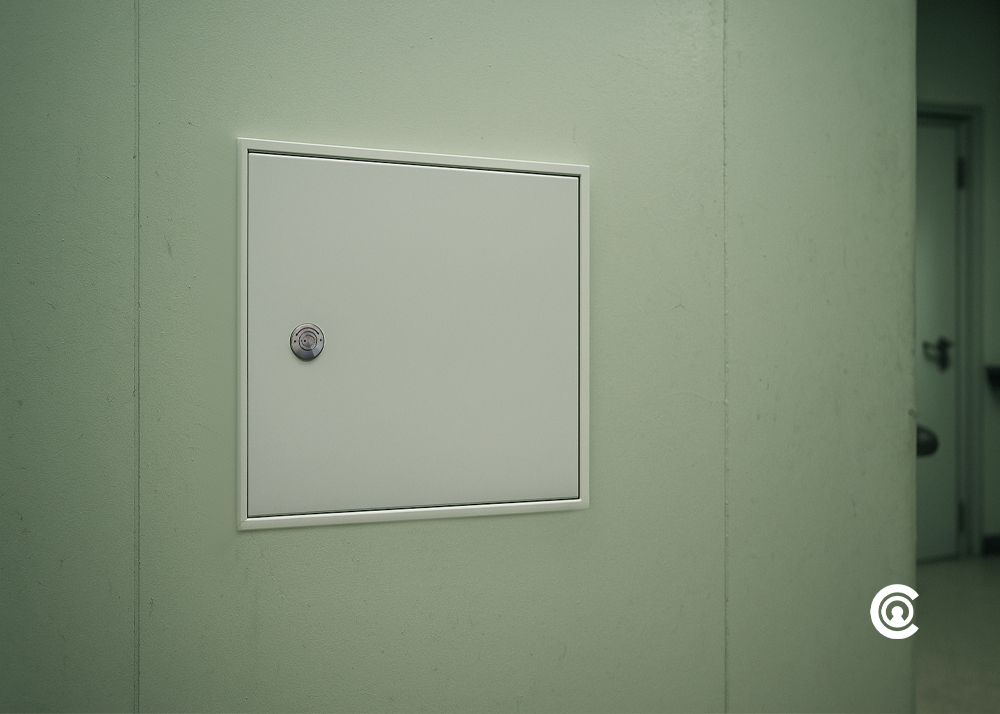
From Bathrooms to Bedrooms: Secure Locking Across Healthcare Estates
Healthcare estates are made up of diverse environments, from high-traffic corridors to private patient bedrooms. Each of these areas has different requirements, but all share the same need for secure, hygienic, and tamper-resistant locking systems. Cam locks may seem small, but their presence ...
Healthcare estates are made up of diverse environments, from high-traffic corridors to private patient bedrooms. Each of these areas has different requirements, but all share the same need for secure, hygienic, and tamper-resistant locking systems. Cam locks may seem small, but their presence across bathrooms, bedrooms, and beyond means they play a vital role in maintaining safety, supporting infection control, and protecting staff, patients, and visitors alike. This blog explores the varied applications of locks across healthcare estates and highlights why choosing the right design is essential for modern facilities. Bathrooms: Balancing Safety and Hygiene Bathrooms in healthcare settings are complex environments. IPS panels conceal essential plumbing, while access hatches allow maintenance teams to service water systems. When secured with outdated locks however, these points can present real risks: Tampering or forced access to concealed services. Exposure to hot water pipes, with potential for scalding. Hygiene challenges, as recessed locks trap dirt and bacteria in areas requiring high cleaning standards. Modern flat-surfaced, tamper-resistant cam locks support both infection control and patient safety, helping teams maintain clean, secure bathrooms. Bedrooms: Protecting Privacy and Safety In bedrooms and ward areas, furniture and built-in storage units are commonly fitted with locks. While designed to support staff, they can create unintended risks if poorly specified: Protruding locks create ligature points in mental health environments. Weak mechanisms invite tampering or damage. Unhygienic surfaces can undermine infection prevention protocols. Upgrading to low-profile, flat-surfaced cam locks helps reduce ligature risks, improve hygiene, and maintain patient privacy without introducing unnecessary hazards. Corridors and Communal Spaces: Overlooked Access Points Corridors and communal spaces often feature access hatches and panels for electrical and mechanical services. These points are vital for estates teams but, when fitted with legacy locks, they can be easy targets for tampering. Modern tamper-resistant locks reduce opportunities for unauthorised access while providing staff with efficient, reliable mechanisms for daily use. Their discreet appearance also helps maintain a non-institutional environment, especially important in patient-facing areas. Why Consistency Matters Across bathrooms, bedrooms, and corridors, one theme is clear: consistency matters. When estates adopt modern cam locks across the entire facility, the benefits multiply: Improved safety, with fewer weak points vulnerable to tampering. Streamlined cleaning, with smooth, wipe-clean lock faces across all applications. Simplified maintenance, as standardised locking systems reduce confusion and improve efficiency. Cost-effective retrofits, as many tamper-resistant cam locks can be fitted into the same footprint as standard designs. One Locking Standard for Every Space Furniture locks may seem insignificant compared to doors or IPS panels, but when they harbour bacteria or fail to secure sensitive items, their impact is felt across the healthcare environment. For estates managers, infection control leads, and product manufacturers, the message is clear: locks aren’t just hardware, they’re part of the wider safety and hygiene strategy. 📞 Call us: 01952 890158📧 Email: sales@contoursecure.co.uk🌐 Or visit: www.contoursecure.co.uk to request a sample or discuss how secure cam locks can support safer healthcare estates.
21 November 2025
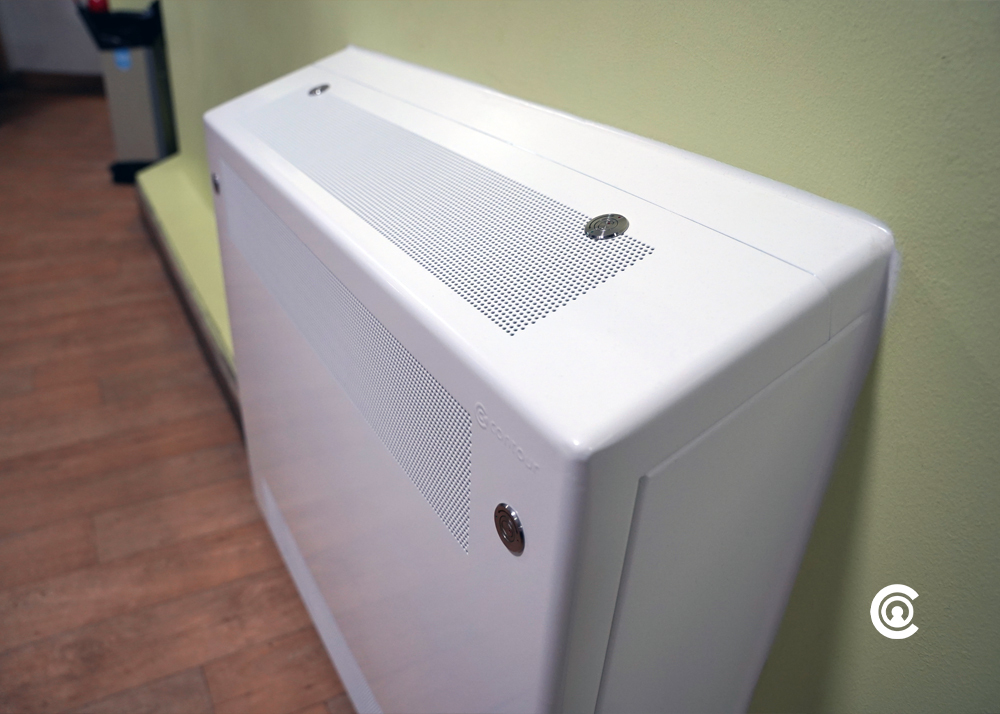
The Hidden Hygiene Risks in Healthcare Furniture Locks
When we think of infection control in healthcare, the focus often falls on high-touch surfaces like door handles, bed rails, and clinical worktops. One area that frequently escapes attention is furniture locks. From storage cupboards in wards to cabinets in treatment rooms, furniture plays a ...
When we think of infection control in healthcare, the focus often falls on high-touch surfaces like door handles, bed rails, and clinical worktops. One area that frequently escapes attention is furniture locks. From storage cupboards in wards to cabinets in treatment rooms, furniture plays a central role in day-to-day healthcare operations, and so do the locks that secure it. Yet, many of these locks are not designed with hygiene in mind, creating hidden risks that can undermine infection control efforts. This blog explores where hygiene issues arise, the impact of poor lock design, and how modern cam locks are helping healthcare environments raise their standards. Why Furniture Locks Matter Healthcare furniture is used daily by staff across wards, theatres, and treatment areas. Cabinets secure medications, equipment, and supplies, while storage units keep clinical spaces uncluttered and safe. As these items are in constant use, their locks are frequently touched, often by multiple people during a single shift. Without the right design, furniture locks can quickly become a weak link in hygiene protocols. The Hygiene Risks of Legacy Lock Designs Many traditional locks used in healthcare furniture are not created with infection control in mind. Common risks include: Recessed keyways and cavities that trap dust, dirt, and pathogens, making thorough cleaning difficult. Multiple grooves and ridges around the lock face, creating more surface area for bacteria to cling to. Institutional bulkiness, with protruding faces that collect dirt and can interfere with cleaning equipment. Infrequent cleaning, as staff may not consider locks a priority in hygiene routines due to their fiddly or recessed design. In an environment where every detail contributes to infection control, these issues can’t be ignored. The Benefits of Flat-surfaced Lock Design Modern cam locks address these challenges with flat-surfaced, smooth designs that support infection control practices. By eliminating recesses and sharp edges, these locks reduce the areas where dirt and bacteria can accumulate. The advantages include: Easier cleaning routines, with simple wipe-down surfaces that fit seamlessly into regular disinfection protocols. Reduced risk of bacterial build-up, as there are fewer areas for pathogens to hide. Better compatibility with anti-microbial coatings, which can be applied more effectively to smooth surfaces. Visual reassurance, with a sleek, hygienic appearance that aligns with modern healthcare design. More Than Just Hygiene: Safety and Efficiency While hygiene is a major driver, flat-surfaced cam locks also bring other benefits in healthcare settings: Tamper resistance, helping prevent unauthorised access to cabinets and storage. Ligature-resistant design, reducing risks in mental health or custodial healthcare environments. Ease of retrofitting, allowing existing furniture to be upgraded without costly replacements. Operational efficiency, with clear lock indicators and smooth mechanisms that save time during busy shifts. These factors make modern cam locks a versatile solution that addresses multiple priorities at once. The Overlooked Weak Point Furniture locks may seem insignificant compared to doors or IPS panels, but when they harbour bacteria or fail to secure sensitive items, their impact is felt across the healthcare environment. For estates managers, infection control leads, and product manufacturers, the message is clear: locks aren’t just hardware, they’re part of the wider safety and hygiene strategy. Upgrade Hygiene Where it Matters Most Furniture locks are touched daily but rarely considered in infection control planning. Outdated designs can trap dirt, harbour bacteria, and undermine hygiene protocols. By switching to flat-surfaced, tamper-resistant cam locks, healthcare estates and manufacturers can make cleaning easier, improve patient safety, and extend the usability of existing furniture. 📞 Call us: 01952 890158📧 Email: sales@contoursecure.co.uk🌐 Or visit: www.contoursecure.co.uk to request a sample or discuss how hygienic cam locks can support safer healthcare environments.
14 November 2025
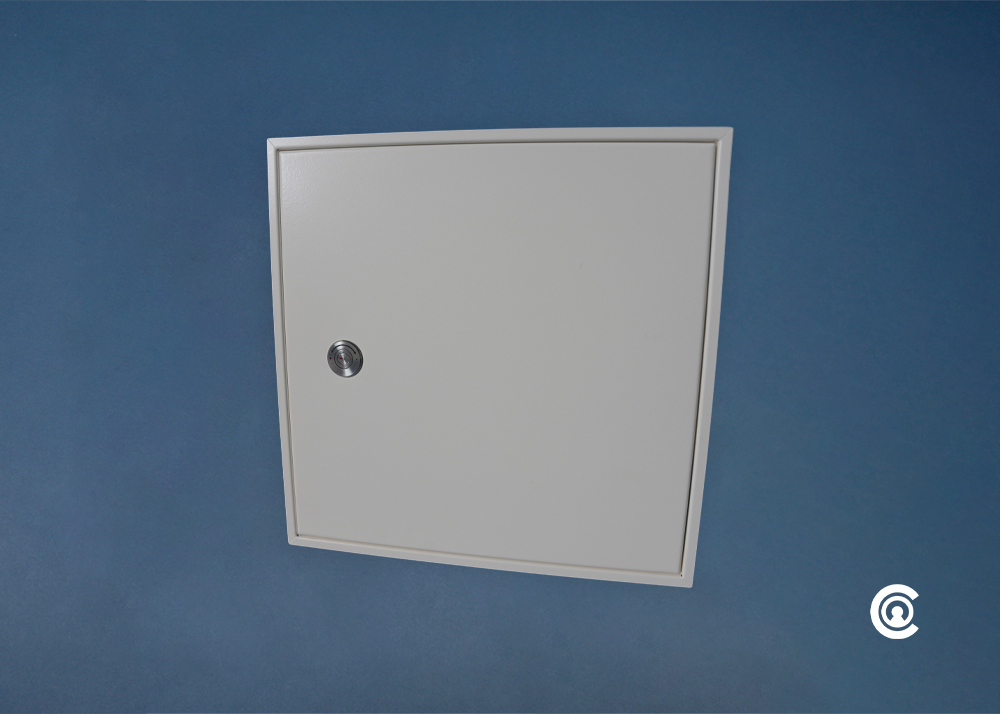
IPS and Access Panels: Why Secure Locks Matter in Patient-facing Areas
In healthcare design, many elements are carefully considered, from ventilation systems to hygiene finishes. One area however is often overlooked being the locking of IPS (Integrated Plumbing System) and access panels. These panels are everywhere in healthcare estates: in patient bathrooms, ward ...
In healthcare design, many elements are carefully considered, from ventilation systems to hygiene finishes. One area however is often overlooked being the locking of IPS (Integrated Plumbing System) and access panels. These panels are everywhere in healthcare estates: in patient bathrooms, ward corridors, clinical spaces, and staff areas. They may look like minor components, but when the locks securing them fail, the risks can be significant. This blog examines why IPS and access panels require more than standard locks, what risks arise from legacy designs, and how modern tamper-resistant cam locks are supporting safer, more resilient healthcare environments. Why IPS and Access Panels are Critical IPS panels provide access to concealed plumbing and services, keeping healthcare spaces clean, safe, and easy to maintain. Access panels allow authorised staff to reach electrical, mechanical, and network infrastructure across wards and corridors. Both are essential for day-to-day operations, but their placement in patient-facing areas also means they are exposed to risks, including: Tampering and forced entry by patients or visitors. Exposure to live services, creating potential safety hazards. Hygiene concerns, as recessed locks and handles trap dirt or bacteria. Visual disruption, where bulky or institutional lock designs undermine therapeutic environments. A compromised panel isn’t just a minor inconvenience, it can pose serious risks to safety, infection control, and the overall quality of care. The Risks of Legacy Locking Solutions Many IPS and access panels are still fitted with legacy cam locks such as: Pin hex and crown locks, once considered secure but now easily bypassed with basic tools. Square head and tri-head inserts, standard across commercial buildings but not designed for patient-accessible areas. These locks can often be forced open, introducing avoidable risks. In healthcare environments where patient welfare and infection control are critical, relying on outdated locking mechanisms leaves facilities exposed. How Modern Cam Locks Make a Difference Modern tamper-resistant cam locks are designed with healthcare-specific challenges in mind. Their features provide a more robust approach to panel security: Three-point engagement mechanisms reduce the risk of manipulation. Smooth, flat-surfaced faces simplify cleaning and help meet infection control standards. Low-profile, ligature-resistant designs minimise hazards in mental health or custodial healthcare settings. Visual engagement indicators allow staff to confirm straight away that panels are properly secured. Retrofittable footprints make upgrading straightforward, with no need for expensive modifications. By upgrading locks, estates teams can protect panels from tampering, improve hygiene, and extend the lifespan of existing infrastructure. Supporting Safer Healthcare Environments Access to plumbing and electrical systems will always be necessary in healthcare estates, but access should be controlled, safe, and secure. By specifying or retrofitting tamper-resistant cam locks on IPS and access panels, healthcare providers can: Reduce risks of unauthorised access. Support infection control protocols. Maintain the therapeutic design of patient areas. Minimise downtime and reduce costly repairs. Small changes at the component level can make a significant difference across entire estates. Secure the Access Points that Matter Most IPS and access panels may be small parts of a healthcare environment, but the risks of inadequate locks are anything but small. From patient safety to infection control, choosing the right lock makes a measurable impact. Whether you’re upgrading existing panels or specifying new builds, modern tamper-resistant cam locks provide a fast, cost-effective way to improve security and resilience. 📞 Call us: 01952 890158📧 Email: sales@contoursecure.co.uk🌐 Or visit: www.contoursecure.co.uk to request a sample or discuss how secure locks can support safer healthcare estates.
07 November 2025
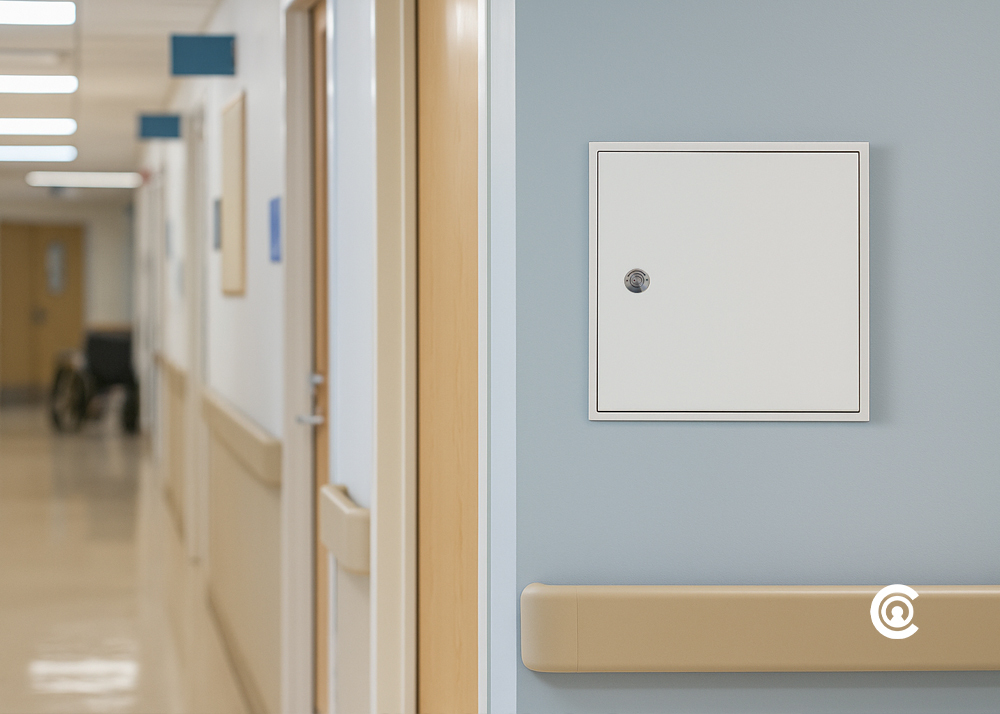
Cam Locks in Healthcare: Small Components, Big Impact on Safety
In healthcare environments, safety and security are often thought of in terms of buildings, wards, and major systems. Yet, some of the most important safeguards come down to the smallest components, including the locks that secure access points, panels, and equipment. Cam locks, while compact, play ...
In healthcare environments, safety and security are often thought of in terms of buildings, wards, and major systems. Yet, some of the most important safeguards come down to the smallest components, including the locks that secure access points, panels, and equipment. Cam locks, while compact, play an outsized role in healthcare estates. From IPS panels in washrooms to access hatches in corridors, furniture in patient areas, and specialist equipment enclosures, these locks influence not only the integrity of infrastructure but also the safety and experience of staff and patients. This blog explores how cam locks contribute to safety, where they’re most used, and why choosing the right design is critical. The Overlooked Role of Cam Locks in Healthcare Too often, locks are treated as an afterthought in product and facility design. Standard options, like pin hex or square-head inserts, are still widely used despite their vulnerabilities. In healthcare settings, the risks of outdated or inadequate locks include: Unauthorised access: Patients or visitors forcing entry into panels or cabinets. Tampering with equipment: Compromising electrical, medical, or plumbing systems. Hygiene concerns: Recessed or multi-part lock faces that trap dirt and bacteria. Ligature risks: Protruding lock mechanisms that introduce hazards in mental health or custodial environments. A lock might be small, but its impact extends far beyond its footprint. Where Cam Locks Matter Most Cam locks appear in a wide range of healthcare applications. Some of the most common include: IPS panels: Providing access to plumbing and essential services in patient and staff washrooms. Access panels and hatches: Found across wards, corridors, and plant rooms. Healthcare furniture: From storage units to cabinets, locks protect against tampering and maintain safety. Specialised enclosures: Cabinets for electrical or mechanical systems, often in publicly accessible areas. Each of these applications presents different challenges, but the principles remain the same: locks must be tamper-resistant, hygienic, and easy for authorised staff to use. The Benefits of Modern Cam Lock Design Today’s tamper-resistant cam locks are designed with these demands in mind. Features that make a difference include: Three-point engagement mechanisms that reduce the risk of manipulation. Smooth, flat-surfaced faces that are easier to clean and less prone to dirt build-up. Low-profile, ligature-resistant designs that minimise protrusions and potential risks. Visual indicators to show immediately whether a panel is locked or open. Retrofittable footprints that allow easy replacement of legacy locks without expensive modifications. These innovations allow estates teams and manufacturers to address multiple priorities at once - security, hygiene, safety, and efficiency. Why Small Components Make a Big Impact It’s easy to underestimate cam locks, but their importance becomes clear when things go wrong. A compromised access panel can expose live services, a poorly cleaned lock can undermine infection control protocols, and a ligature risk can have life-threatening consequences. By upgrading to modern cam lock designs, healthcare estates can improve security, reduce risks, and extend the usable life of existing infrastructure. For manufacturers, these locks provide a way to align with the latest NHS and private healthcare specifications, without introducing complex or costly design changes. Small Upgrades, Safer Spaces In healthcare, no detail is too small when it comes to safety. Cam locks may be compact, but their influence on hygiene, tamper-resistance, and patient safety is significant. Whether you’re retrofitting existing estates or specifying products for new builds, choosing purpose-designed cam locks can deliver measurable improvements in safety and efficiency. 📞 Call us: 01952 890158📧 Email: sales@contoursecure.co.uk🌐 Or visit: www.contoursecure.co.uk to request a sample or discuss how cam locks can support safer healthcare environments.
30 October 2025
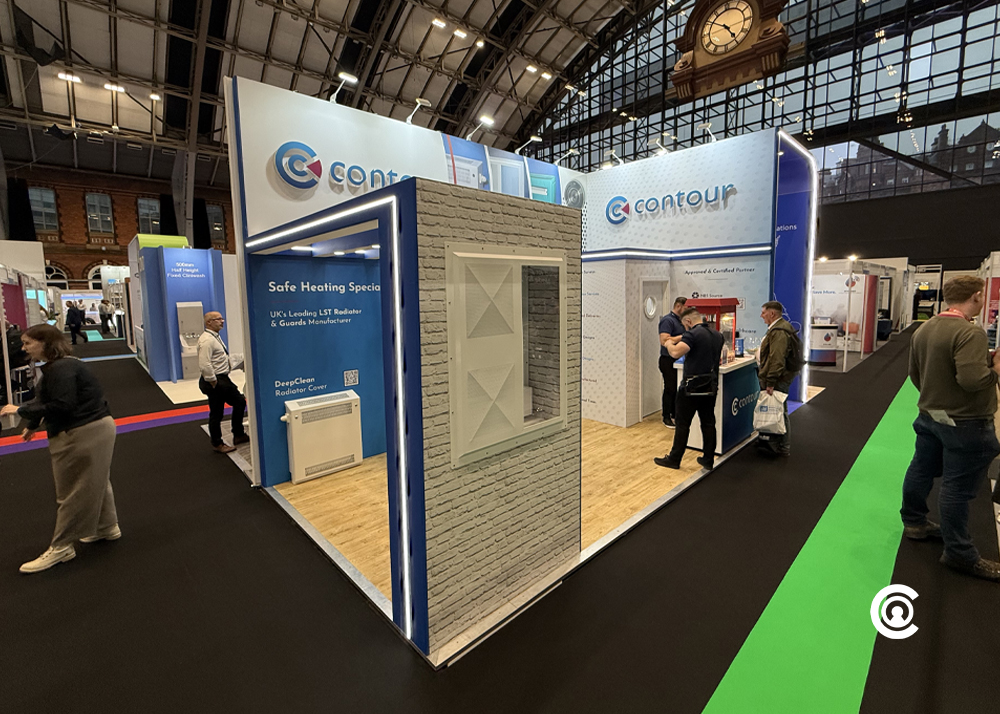
Healthcare Estates 2025: What Locking Innovations Mean for Safer Environments
The Healthcare Estates exhibition is always a key moment in the calendar for anyone involved in designing, managing, and supplying safe healthcare facilities. The 2025 event, held at Manchester Central, brought together estates teams, designers, specifiers, and product manufacturers to explore the ...
The Healthcare Estates exhibition is always a key moment in the calendar for anyone involved in designing, managing, and supplying safe healthcare facilities. The 2025 event, held at Manchester Central, brought together estates teams, designers, specifiers, and product manufacturers to explore the theme “Prevention is Better than Cure.” While much of the focus was on buildings, energy systems, and digital health solutions, there was a clear thread running through the conversations: the importance of small details in delivering safe, reliable, and cost-effective healthcare environments. Among those details, locking mechanisms took centre stage in a way they rarely have before. This blog reflects on the innovations showcased at Healthcare Estates 2025, highlights the growing importance of locking hardware in healthcare design, and looks ahead to what estates teams can expect next. Why Locking Solutions are Now in the Spotlight Traditionally, locks have been treated as routine hardware, chosen quickly from standard catalogues with little consideration for the unique demands of healthcare. But in 2025, conversations made clear that approach is no longer enough. Healthcare environments face specific challenges that set them apart from other sectors: Tampering and security risks in patient-accessible areas, from IPS panels to access hatches. Infection control requirements that demand smooth, wipe-clean finishes on all hardware. Safety expectations in mental health and custodial healthcare settings, where ligature resistance is essential. Cost and downtime pressures that require solutions to be easy to install, retrofit, and maintain. The message from this year’s event was simple: the humble lock can no longer be overlooked. Key Innovations Highlighted at Healthcare Estates 2025 Flat-surfaced, hygienic lock designsLocks with recessed inserts and crevices were a recurring concern. New flat-surfaced locks designed for wipe-clean maintenance were widely discussed as a step forward for infection prevention strategies. Tamper-resistant mechanismsLocks designed to reduce the opportunities for manipulation with everyday tools are increasingly being prioritised, especially for products located in patient-facing or publicly accessible areas. Retrofittable solutionsWith budgets tight, estates teams are prioritising upgrades that can be delivered quickly and affordably. Locks designed to fit the same footprint as traditional cam locks offer a way to strengthen security without replacing panels or furniture. Visual engagement indicatorsAt-a-glance security checks, showing whether a lock is engaged or disengaged, are gaining interest as estates teams look to improve efficiency and reduce human error during inspections. Looking Ahead: Future Trends for Locking in Healthcare The 2025 show didn’t just highlight the present, it set the stage for what’s next. Some of the key trends to watch include: Standardisation of tamper-resistant locks in NHS procurement frameworks, as awareness grows of the risks posed by legacy designs. Integration with broader infection control strategies, where every component, including hardware, is scrutinised for hygiene performance. Greater emphasis on retrofit programmes, as hospitals look to extend the life of existing estates without compromising safety. Expansion of ligature-resistant locking solutions, reflecting the crossover between general healthcare and secure mental health environments. As healthcare estates evolve, locking mechanisms will increasingly be seen as frontline components of safety, not just background hardware. Small Components, Big Difference Healthcare Estates 2025 reinforced an important point: in secure healthcare design, even the smallest details matter. Locks may be simple in form, but they play a critical role in hygiene, patient safety, and operational resilience. Whether you’re designing new facilities or managing existing estates, locking mechanisms deserve the same attention as any other safety-critical component. Retrofittable, tamper-resistant, and hygienic locks are already shaping the future of safer healthcare environments. 📞 Call us: 01952 890158📧 Email: sales@contoursecure.co.uk🌐 Or visit: www.contoursecure.co.uk to request a sample or discuss how locking innovations could strengthen your next project.
24 October 2025
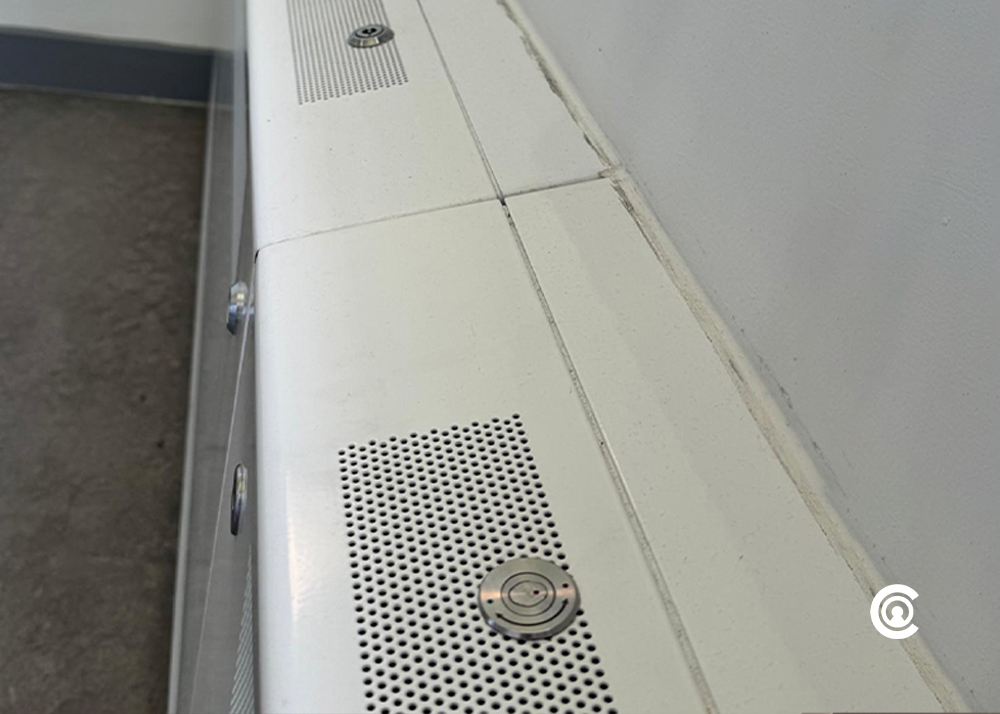
Retrofitting in Healthcare: A Fast, Cost-effective Upgrade for Safer Facilities
Healthcare estates are under constant pressure. Budgets are tight, patient safety expectations are rising, and facilities teams must deliver secure, hygienic environments without disrupting day-to-day care. For many, the question is simple: how do you improve safety and compliance without replacing ...
Healthcare estates are under constant pressure. Budgets are tight, patient safety expectations are rising, and facilities teams must deliver secure, hygienic environments without disrupting day-to-day care. For many, the question is simple: how do you improve safety and compliance without replacing entire systems or investing in major refurbishments? The answer is retrofitting. Retrofitting locks provides a fast, cost-effective way to improve safety across healthcare environments. Instead of replacing entire IPS panels, access panels, or furniture units, facilities teams can upgrade the locking mechanisms alone, turning existing infrastructure into safer, more hygienic, and tamper-resistant solutions. This blog explores why retrofitting is gaining momentum, how it benefits healthcare facilities, and why locks are one of the easiest and most impactful upgrades to make. Why Retrofitting Makes Sense in Healthcare Healthcare estates are complex. From acute mental health units to general hospitals, facilities often contain a mix of old and new infrastructure. Replacing entire systems when security or hygiene issues arise can be prohibitively expensive and disruptive. Retrofitting addresses these challenges by offering: Cost savings: Upgrading locks is a fraction of the cost of replacing panels or furniture. Minimal disruption: Retrofitting avoids demolition or major alterations, meaning wards and corridors can stay operational. Flexibility: Modern locks can fit into the same footprint as standard cam locks, making upgrades simple. Faster installation: Estates teams or contractors can complete upgrades quickly, reducing downtime. With healthcare budgets under strain, retrofitting offers a practical way to extend the lifespan of existing assets while raising safety standards. Common Challenges with Legacy Locks Traditional lock designs create unnecessary risks in healthcare environments. Among the most common problems are: Tampering risks: Pin hex and other legacy locks can be bypassed with basic tools. Infection control: Recessed lock inserts trap bacteria and are almost impossible to clean effectively. Maintenance costs: Worn or damaged locks increase callouts and replacements. Ligature risks: Protruding or poorly finished lock faces can pose dangers in secure healthcare settings. These issues compromise both patient safety and the operational efficiency of estates teams. Retrofitting with tamper-resistant, flat-surfaced locks addresses these risks at the source. How Retrofitting Works in Practice One of the key strengths of modern tamper-resistant cam locks is their retrofittable design. Built to match the same footprint as standard cam locks, they can be slotted into place without costly modifications. Examples include: IPS panels in patient areas: Upgrading recessed locks to flat-surfaced alternatives supports infection control. Access panels in corridors and treatment rooms: Retrofitting prevents tampering and reduces callouts. Furniture locks in bedrooms or staff areas: Modern locks improve safety without requiring new furniture units. For estates teams managing large facilities, retrofitting provides a quick, scalable way to improve security and hygiene across multiple applications. The Benefits for Healthcare Facilities Immediate safety improvementsRetrofitting removes obvious risks like tampering, ligature points, and hard-to-clean surfaces. Cost-effective upgradesInstead of replacing panels or furniture, facilities can upgrade locks alone, saving thousands. Minimal disruption to careWith no demolition or major works required, wards remain operational while upgrades are carried out. Extended lifespan of assetsBy improving the weakest component, facilities can keep existing infrastructure in service longer. Confidence in complianceModern tamper-resistant locks align with updated guidance and procurement requirements for healthcare settings. Upgrade Without the Overheads Retrofitting locks is one of the simplest, fastest, and most cost-effective ways to raise safety standards in healthcare estates. It avoids the expense and disruption of full replacements while giving staff, patients, and estates teams greater confidence in hygiene and security. If your facility still relies on outdated locks, it’s time to take a fresh look. Retrofitting modern, tamper-resistant cam locks turns existing infrastructure into safer, more resilient assets. 📞 Call us: 01952 890158📧 Email: sales@contoursecure.co.uk🌐 Or visit: www.contoursecure.co.uk to request a sample or discuss how retrofitting could strengthen your facility.
14 October 2025
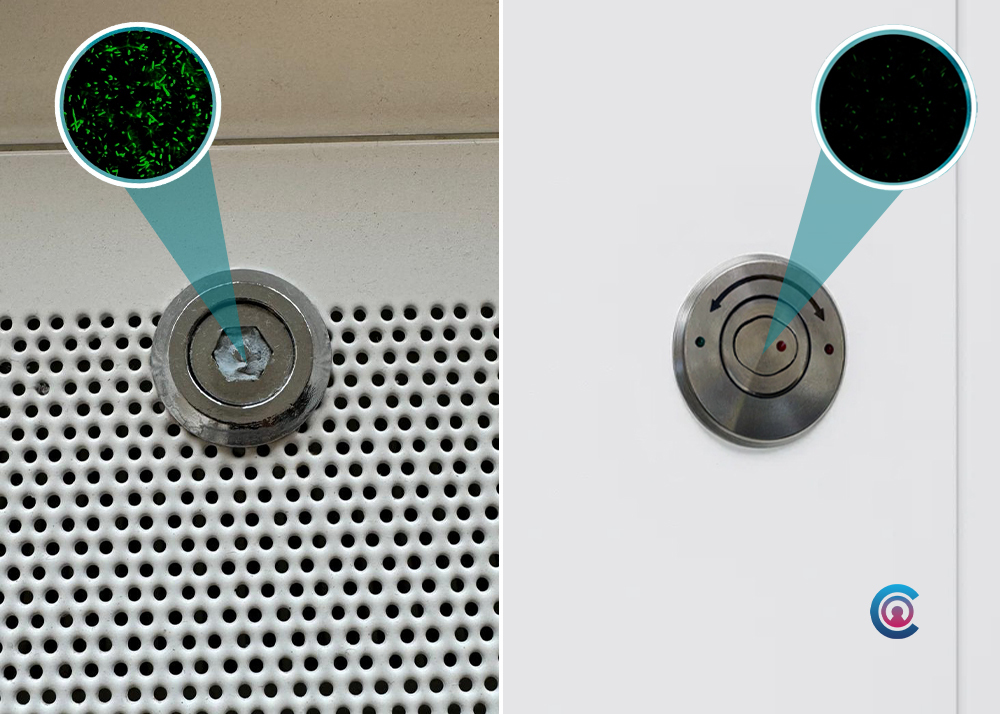
Designing for Hygiene: The Role of Flat-surfaced Locks in Healthcare
Infection prevention is one of the most pressing challenges for healthcare estates. Every material, surface, and fixture needs to support strict hygiene standards to reduce cross-contamination and protect both patients and staff. While flooring, wall finishes, and clinical equipment often get ...
Infection prevention is one of the most pressing challenges for healthcare estates. Every material, surface, and fixture needs to support strict hygiene standards to reduce cross-contamination and protect both patients and staff. While flooring, wall finishes, and clinical equipment often get attention, one overlooked component can quietly undermine these efforts: the lock. Locks are found on IPS panels, access panels, storage units, and furniture throughout healthcare facilities. However, not all lock designs are created equal. Recessed, ridged, or outdated locks can become breeding grounds for bacteria, and because they are often hard to access during cleaning, they are frequently missed or left untreated. This blog explores the hygiene risks created by traditional lock designs, why flat-surfaced locks offer a better alternative, and how estates teams can integrate them into healthcare facilities to improve infection control. The Hygiene Risks of Traditional Lock Designs In many hospitals and care facilities, locks are still considered “standard hardware”. The reality however is that traditional designs such as pin hex or square head locks often compromise infection control. Recessed keyholes trap dirt and bacteriaIndentations in the lock face allow dirt, dust, and bacteria to collect. These recesses are almost impossible to fully clean during routine wipe-downs. Over time, they can harbour pathogens that increase infection risks. Ridged surfaces hinder cleaningAny raised or ridged edges create crevices that trap contaminants. Even when staff attempt to disinfect these areas, the design itself resists thorough cleaning. Locks are often overlooked during cleaningAs locks are small details compared to larger surfaces like walls or panels; they can be neglected in routine infection control. The result is that these “micro zones” remain contaminated even when surrounding areas are disinfected. In a healthcare environment where every surface matters, these issues make traditional lock designs a liability. Why Flat-surfaced Locks Support Infection Control Flat-surfaced tamper-resistant locks offer a more hygienic alternative. Instead of recesses and ridges, they bring the keyway flush to the surface, making it easier to disinfect effectively. Wipe-clean surfacesSmooth, flat surfaces allow cleaning staff to disinfect locks in the same motion as surrounding panels or furniture. There are no dirt traps, so bacteria has nowhere to hide. Fewer contamination risksBy reducing recesses and eliminating crevices, flat-surfaced locks minimise areas where pathogens can accumulate. This directly supports infection prevention strategies. Consistency across facilitiesWhen locks match the wipe-clean standards of other fixtures, estates teams can ensure consistent hygiene protocols across entire estates. Durability and designModern flat-faced locks are designed to withstand repeated cleaning with strong disinfectants. This ensures they remain functional and hygienic for the long term. In short, the flat-surfaced design isn’t just about aesthetics; it directly supports healthcare hygiene goals. A Case for Detail in Design Healthcare facilities are designed with infection control built into every decision: from anti-microbial paint to seamless flooring. Yet all too often, locks are treated as an afterthought. Every touchpoint matters though. A single contaminated surface can become a vector for infection, and locks are touched regularly by both staff and patients. By choosing flat-surfaced, hygienic lock designs, healthcare estates can close a gap in infection prevention strategies and create environments that are safer, cleaner, and easier to maintain. Integration Across Healthcare Applications Flat-surfaced locks can be used across a wide range of healthcare environments, including: IPS panels – Frequently located in patient areas, where infection control is critical. Access panels – Found throughout hospitals, including corridors and treatment rooms. Furniture locks – Used for storage units, medication cupboards, and integrated fittings. Equipment housings – Protecting electrical or mechanical systems that must remain secure. By standardising lock design across these applications, estates teams can reduce infection risks consistently across facilities. Small Details, Big Impact on Infection Control Healthcare estates are under constant pressure to maintain the highest hygiene standards. Flat-surfaced locks may seem like a minor detail, but their design directly supports wipe-clean protocols and reduces infection risks. By replacing outdated recessed designs with modern flat-surfaced alternatives, estates teams can strengthen infection control, reduce maintenance concerns, and protect both staff and patients. 📞 Call us: 01952 890158📧 Email: sales@contoursecure.co.uk🌐 Or visit: www.contoursecure.co.uk to request a sample or discuss how flat-surfaced locks could improve hygiene in your healthcare environment.
07 October 2025
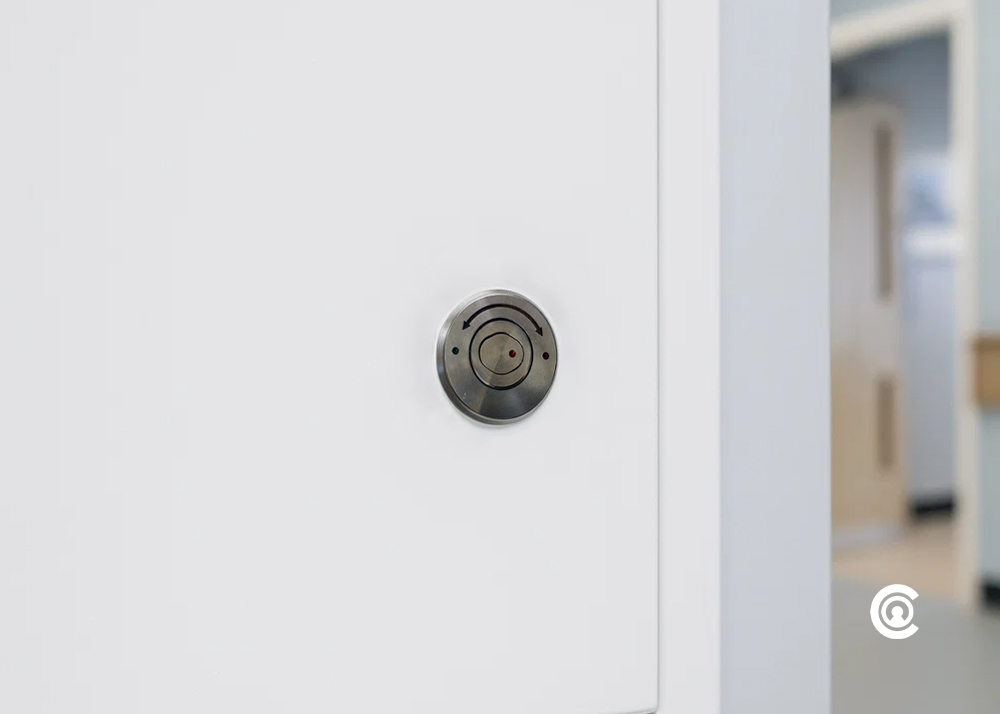
Why Locking Solutions Are the Overlooked Weak Point in Healthcare Environments
Healthcare estates face some of the toughest design challenges of any sector. Patient safety, infection control, operational continuity, and staff efficiency are all critical; and every decision, from flooring to HVAC systems, is carefully scrutinised. Yet one small but vital component is often ...
Healthcare estates face some of the toughest design challenges of any sector. Patient safety, infection control, operational continuity, and staff efficiency are all critical; and every decision, from flooring to HVAC systems, is carefully scrutinised. Yet one small but vital component is often overlooked: the lock. Locks on IPS panels, access panels, and even furniture are rarely the first items discussed in design meetings. When outdated or inappropriate locks are specified however, the consequences can include tampering, hygiene risks, unnecessary maintenance costs, and even compromised safety for patients and staff. This blog explores why locking solutions are often the overlooked weak point in healthcare environments, and why it’s time for facilities teams and specifiers to reassess their importance. Where are Locks Found in Healthcare Estates? Locks are everywhere in modern healthcare settings. Common applications include: IPS Panels: Containing essential services such as water, electrics, and medical gases. These are high-risk access points if not properly secured. Access Panels: Installed throughout corridors, patient rooms, and treatment areas, providing entry to building services and utilities. Furniture: From medication storage to integrated bedroom units, furniture locks prevent unauthorised access to contents. Equipment Housings: Cabinets and covers protecting electrical or mechanical systems. Despite being small and inexpensive compared to the overall project, the lock is often the single point of control that determines whether these systems remain secure, hygienic, and functional. The Problems with Legacy Lock Designs Many healthcare estates still rely on legacy locking systems such as pin hex, crown, square head, or tri-head designs. While once considered effective, these older locks have several weaknesses in healthcare settings: Susceptibility to TamperingLegacy locks can often be bypassed with widely available tools. This creates an unnecessary security risk in environments where patient safety and equipment reliability are paramount. Hygiene ConcernsRecessed inserts and ridged surfaces on older locks can harbour dirt and bacteria. In healthcare environments, where infection prevention is a daily priority, this creates additional cleaning challenges. Appearance and AtmosphereLocks with protruding faces or industrial appearances can undermine therapeutic design. In areas where patient recovery is supported by calming environments, these details matter. Maintenance and WearOlder designs can become stiff, worn, or difficult for staff to operate. This not only causes frustration but also increases the need for maintenance callouts. In short, legacy locks introduce risks that estates teams can ill afford. Why Modern Locks Matter More Than Ever Healthcare environments today demand more from every component. The role of the lock has shifted from “basic closure” to “critical safety feature”. Modern tamper-resistant locks are designed with healthcare pressures in mind: Flat-surfaced designs: Easier to clean and more hygienic than recessed alternatives. Tamper-resistant inserts: Require specific alignment or three-point contact, making manipulation far harder. Smooth, low-profile finishes: Reduce ligature risks, improve aesthetics, and support therapeutic design. Durability: Compression-based systems reduce rattling and wear, extending the lock’s service life. Efficiency: Visual indicators make it easy for staff to verify if a panel is locked, saving time on inspections. By upgrading to modern lock designs, healthcare providers can reduce tampering risks, support hygiene practices, and improve the overall experience for both patients and staff. Why Locks Get Overlooked So why are locks often neglected in design and refurbishment projects? Cost focus: Locks are relatively inexpensive, and their impact is often underestimated. Legacy specifications: Older designs are sometimes repeated without question. Perception: Locks are seen as “just hardware” rather than as contributors to safety and hygiene. However, overlooking locks can undermine investments in other safety measures. If the lock fails, the panel or furniture it secures is compromised regardless of its build quality. The Case for Reassessment Healthcare estates and specifiers are increasingly recognising the importance of detail. Just as wall finishes are chosen for cleanability and fixtures are selected for infection control, locks must also be assessed against today’s safety and hygiene standards. Modern locking solutions are not simply alternatives, they are enablers. They allow facilities to: Maintain higher hygiene standards with designs that are easier to clean. Reduce risk by using tamper-resistant inserts that are harder to bypass. Improve efficiency for staff with faster, clearer operation. Extend the lifespan of panels, furniture, and equipment by reducing damage from forced access. Don't Let Locks be the Weak Point in Your Estate In healthcare environments, every component has a role to play in patient safety and infection prevention. Locks may be small, but when they fail, the consequences are big. By moving away from outdated, hard-to-clean designs and choosing tamper-resistant, hygienic alternatives, healthcare estates can reduce risks, cut maintenance costs, and create safer, more efficient environments. 📞 Call us: 01952 890158📧 Email: sales@contoursecure.co.uk🌐 Or visit: www.contoursecure.co.uk to request a sample or discuss how locking solutions can strengthen your healthcare environment.
30 September 2025
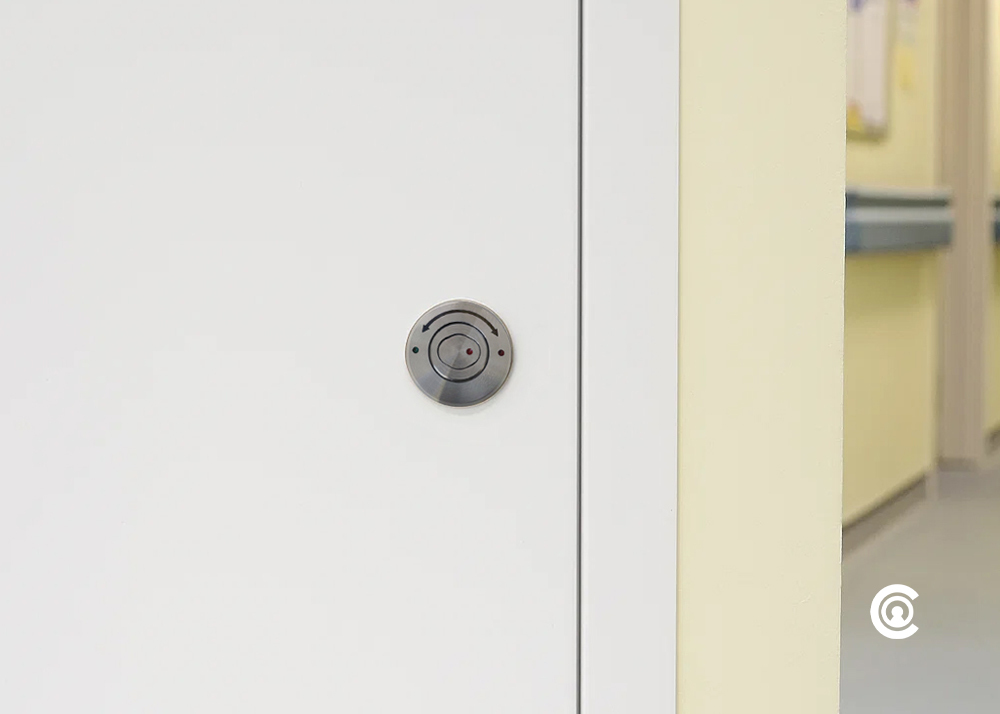
Healthcare Security Under Pressure: Why Locking Mechanisms Deserve More Attention
In healthcare, patient safety and infection prevention are rightly front and centre. Estates teams, specifiers, and facilities managers all work under constant pressure to ensure environments are secure, hygienic, and operationally reliable. Yet one small detail often slips under the radar: the ...
In healthcare, patient safety and infection prevention are rightly front and centre. Estates teams, specifiers, and facilities managers all work under constant pressure to ensure environments are secure, hygienic, and operationally reliable. Yet one small detail often slips under the radar: the humble lock. Whether it’s securing access panels in a hospital corridor, protecting IPS panels in patient rooms, or keeping furniture compartments tamper-resistant, locking mechanisms play a vital role in the day-to-day safety of healthcare facilities. Unfortunately, many sites still rely on outdated lock designs; designs that were never intended to cope with today’s risks. This blog explores why locking systems deserve more attention in healthcare environments, the challenges posed by legacy locks, and how modern tamper-resistant solutions can better support estates teams and clinical staff. The Hidden Risks of Legacy Locks Locks in healthcare settings are often considered “standard components”. When standard means pin hex, crown, square head, or tri-head locks however, problems quickly emerge. Vulnerability to tamperingMany traditional lock types can be bypassed using everyday tools; the kind of items that may be readily available in patient areas. For example, pin hex locks, once thought secure, are now widely understood and easily manipulated. Hygiene concernsOlder locks often feature recessed inserts or ridged surfaces. These not only trap dirt but also make thorough cleaning almost impossible. In an environment where infection control is a daily priority, that’s a serious drawback. Operational inefficiencyStaff need locks that are simple, fast, and reliable to use. Legacy designs can be fiddly, especially in time-critical scenarios, and many suffer from wear and tear that makes them harder to operate over time. These risks add up. What may look like a minor hardware decision can have consequences for patient safety, increase maintenance callouts, and even disrupt service delivery. The Overlooked Role of Locking in Safety and Hygiene Healthcare environments are complex. From accident and emergency departments to long-term residential care facilities, estates teams face a wide variety of challenges. While infrastructure upgrades often focus on “big ticket” items like HVAC, flooring, or clinical equipment, smaller details such as locks are often overlooked. Yet locks touch many parts of a facility: IPS panels and access panels: Protecting access to essential services like water, electricity, or medical gases. Furniture locks: Found in patient rooms, staff areas, and medication storage. Service cupboards and equipment housings: Securing critical systems and preventing unauthorised access. Each of these locations has unique risks, but they all depend on the lock as the first line of defence. Why Modern Lock Designs are Changing the Conversation The demands on healthcare estates have evolved and so has lock design. Modern tamper-resistant cam locks have been engineered specifically to address today’s pressures. Flat-surfaced Face for hygieneUnlike recessed locks that trap dirt, flat-faced designs make cleaning easier and support infection control routines. This is especially relevant in patient-facing areas where hygiene standards are non-negotiable. No leverage points for tamperingSmooth surfaces and low profiles make it harder to apply force or insert tools to manipulate the lock. This reduces opportunities for tampering without compromising ease of use for authorised staff. Compression-based systems for durabilityLocks with compression mechanisms secure more tightly, reducing rattle and flex while extending lifespan. For estates teams, this means fewer callouts and less frequent replacements. Clear visual indicators for staffSome modern designs incorporate visual engagement points that show at a glance whether a lock is open or closed. For staff managing multiple rooms or panels, this saves time and reduces the chance of oversight. Together, these innovations transform the role of the lock from a weak point into a meaningful contributor to safety and hygiene. A Proactive Step for Healthcare Estates Estates and facilities teams already juggle competing demands - patient safety, compliance, budget pressures, and the daily challenges of managing large, complex environments. Locks may not always be the highest-profile decision, but they are one of the easiest and most cost-effective upgrades to make. For infection prevention teams, hygienic lock designs help support daily cleaning and contribute to reducing infection risks. For estates managers, tamper-resistant locks reduce maintenance callouts and protect panels, furniture, and equipment from damage. For staff on the ground, locks that are simple, quick, and reliable to use reduce frustration and support safer care. By giving more attention to locking mechanisms, healthcare providers can address a known weak spot and create environments that are more secure, hygienic, and efficient. A Small Change that Supports Safer Healthcare Locks may seem like minor details, but in today’s healthcare environments, they play a crucial role. Outdated designs create vulnerabilities in hygiene, safety, and daily operations. Modern tamper-resistant alternatives offer a smarter way forward. By taking a proactive approach to lock specification, healthcare estates can support infection control, reduce tampering risks, and make life easier for staff. It’s a small change with a meaningful impact. 📞 Call us: 01952 890158📧 Email: sales@contoursecure.co.uk🌐 Or visit: www.contoursecure.co.uk to request a sample or explore how tamper-resistant cam locks could support your next project.
24 September 2025
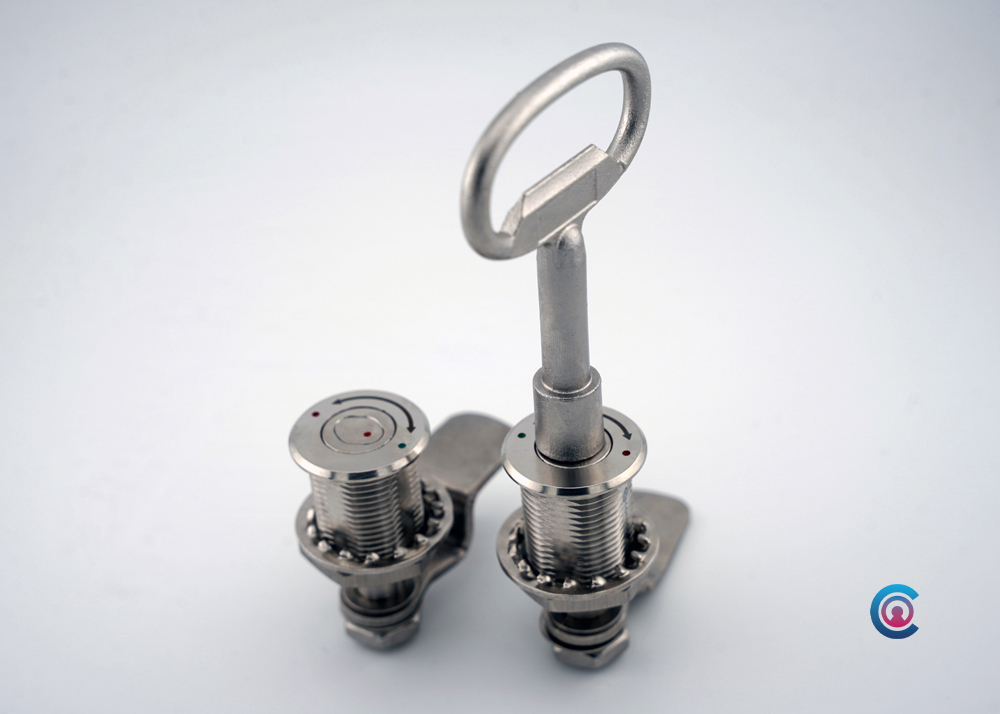
From Mental Health to Highways: How Locking Tech is Being Repurposed for Public Infrastructure
Locking technology is rarely seen as innovative. For years, standard cam locks have been used across enclosures with little thought about their performance in different environments. But as risks such as: vandalism on highways, tampering in telecoms, and rising security needs in public-facing ...
Locking technology is rarely seen as innovative. For years, standard cam locks have been used across enclosures with little thought about their performance in different environments. But as risks such as: vandalism on highways, tampering in telecoms, and rising security needs in public-facing infrastructure, has grown the role of the lock has changed dramatically. Today, tamper-resistant cam locks are no longer niche solutions. Originally developed for challenging, high-risk settings, their design innovations are now being repurposed for wider infrastructure, from highways to telecom networks and energy systems. How Highway and Transport Enclosures Shaped Locking Innovation One of the first sectors to feel the pressure was highways. Feeder pillars, traffic control cabinets, and rail enclosures became frequent targets for vandalism and forced entry. The consequences were real: disrupted signals, costly repairs, and safety risks to the public. This environment demanded a lock that could do more: Resist tampering with basic tools. Eliminate leverage points for forced entry. Retrofit quickly into existing cabinets without replacing whole units. The tamper-resistant cam lock emerged as a direct response to these challenges, with features like three-point engagement, compression rings, and smooth low-profile surfaces setting a new benchmark for infrastructure security. Why This Matters for Public Infrastructure What started with highways and transport quickly proved valuable for other sectors. Telecoms, energy, and CCTV all rely on enclosures that are publicly accessible, often unsupervised, and vulnerable to attack. Using standard locks in these environments has become a known weak point and infrastructure providers are recognising that locks designed for higher-risk applications can make a measurable difference in cost, resilience, and public trust. Looking Beyond Infrastructure The principles of tamper-resistant design don’t stop at highways or telecoms. The same engineering that helps prevent vandalism in feeder pillars is now being explored in other areas where safety and resilience are paramount. Secure locking mechanisms are increasingly relevant wherever enclosures or products are exposed to high-risk use. And as design standards evolve, sectors beyond infrastructure, such as healthcare and mental health, are also recognising the value of these innovations. One Design. Many Applications. Tamper-resistant cam locks were built to solve problems in some of the toughest environments, but their versatility has made them valuable far beyond highways and transport. By repurposing proven locking technology across infrastructure networks, providers can protect assets, reduce downtime, and extend service life. And as demand for secure, resilient products continues to grow, the same innovations are opening doors for other sectors too. 📞 Call us: 01952 890158📧 Email: sales@contoursecure.co.uk🌐 Visit: www.contoursecure.co.uk Or enquire online to request a sample or explore how tamper-resistant cam locks could support your next project.
19 September 2025
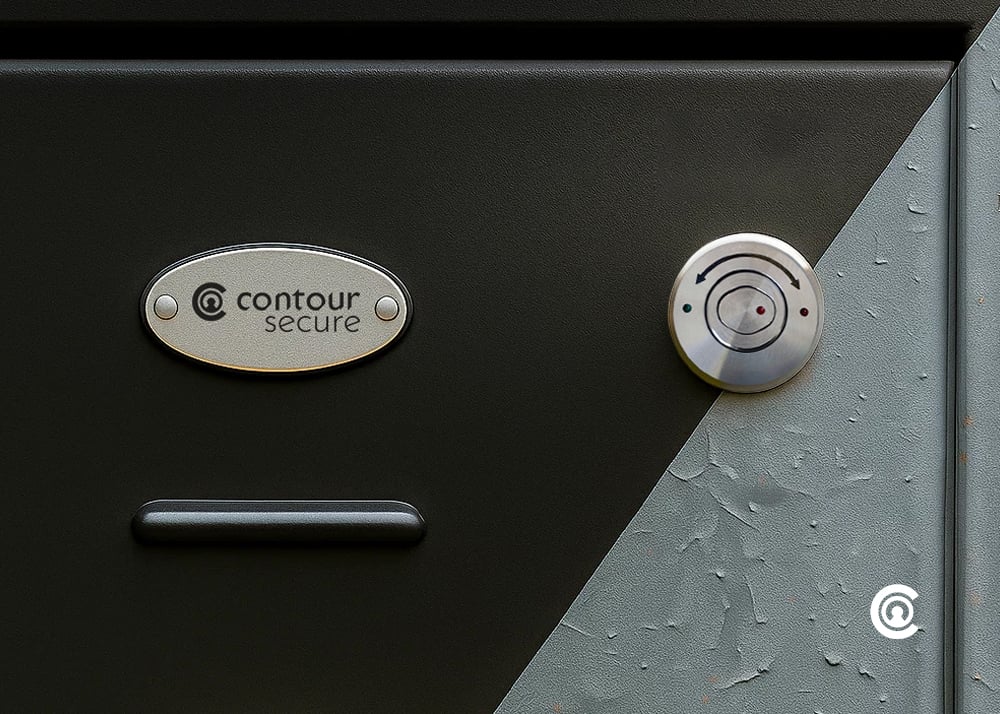
Secure by Design: Why New Infrastructure Demands More than Off-the-Shelf Locks
When planning new infrastructure, it’s tempting to default to “standard” components. For many, locks are treated as commodity hardware chosen based on price and availability rather than long-term performance. But in today’s world, where vandalism, tampering, and service disruption are all on the ...
When planning new infrastructure, it’s tempting to default to “standard” components. For many, locks are treated as commodity hardware chosen based on price and availability rather than long-term performance. But in today’s world, where vandalism, tampering, and service disruption are all on the rise, off-the-shelf cam locks no longer meet the demands of modern infrastructure projects. A secure-by-design approach is needed, one that builds resilience into every stage of the specification process. The Risks of Off-the-shelf Locks Legacy lock designs like pin hex, square head, or tri-head were never built for high-risk, public-facing environments. When used in new infrastructure projects, they introduce vulnerabilities from day one. Common issues include: Susceptibility to tampering with everyday tools such as screwdrivers or pliers. No compression technology, leaving enclosures prone to rattling or forced entry. Empty spaces and protrusions that provide leverage points. Limited durability under repeated use or environmental conditions. Choosing these locks at the specification stage may appear cost-effective, but the real price comes later in the form of vandalism-related repairs, cabinet replacements, and service downtime. Why Secure-by-design Matters Secure-by-design means thinking about resilience not as an afterthought, but as a core design principle. For enclosures, that means recognising the lock as the frontline of security and specifying tamper-resistant designs from the outset. Benefits include: Reduced lifetime costs by avoiding early replacements or expensive callouts. Increased resilience to tampering and forced entry. Extended service uptime by protecting the systems inside cabinets. Better alignment with public safety priorities, where reliable security is no longer optional. What Tamper-resistant Locks Add to New Projects Specifying tamper-resistant locks from the start allows new infrastructure to deliver lasting value. Key engineering features include: Three-point contact opening to resist manipulation. Compression mechanism for a tighter, more durable seal. Smooth, low-profile surfaces with no leverage points. Restricted key inserts to minimise unauthorised access. Compatibility with standard footprints, giving flexibility for future retrofits or replacements. This combination helps ensure that new cabinets, feeder pillars, telecom enclosures, and transport infrastructure are equipped to withstand the realities of their environment. Building Resilience Starts at Specification Off-the-shelf locks may seem convenient, but in public-facing infrastructure, they create vulnerabilities that can cost far more in the long run. By choosing tamper-resistant cam locks from the design stage, you’re investing in resilience, service continuity, and public trust. Whether you’re specifying new builds or planning upgrades, secure-by-design decisions protect infrastructure for years to come. 📞 Call us: 01952 890158📧 Email: sales@contoursecure.co.uk🌐 Visit: www.contoursecure.co.uk Or enquire online to request a sample or discuss how tamper-resistant cam locks can be specified into your next project.
17 September 2025

What the Rise in Feeder Pillar Vandalism Tells Us About Infrastructure Risk
Feeder pillars may not grab public attention, but they’re the backbone of critical infrastructure. From powering traffic lights and street lighting to supporting rail and highway systems, these cabinets keep everyday life moving. But in recent years, feeder pillars have increasingly become targets ...
Feeder pillars may not grab public attention, but they’re the backbone of critical infrastructure. From powering traffic lights and street lighting to supporting rail and highway systems, these cabinets keep everyday life moving. But in recent years, feeder pillars have increasingly become targets for vandalism and tampering. Their location in public, often unsupervised spaces, make them especially vulnerable, and the rise in attacks highlights a bigger issue: many enclosures are only as strong as the locks protecting them. The Problem: Vandalism on the Rise Recent incidents have shown just how common feeder pillar vandalism has become. Cabinets are being forced open, doors bent back, and internal components exposed or destroyed. These attacks create risks that extend far beyond the cabinet itself: Public safety hazards if live electrical systems are exposed Traffic disruption from damaged signal control systems Costly replacements when entire cabinets must be scrapped Service downtime leading to reputational damage for providers In many cases, these breaches don’t require specialist tools. A basic screwdriver or multi-key can be enough to defeat outdated locks still fitted to thousands of units. Why Feeder Pillars are Attractive Targets Feeder pillars are high-value targets because: They are visible and accessible in public spaces. They house critical systems with real-world impact if disrupted. They are often fitted with standard locks that offer little resistance to tampering. This combination makes them a convenient target for both opportunistic and targeted vandalism, and the consequences can be far-reaching. What This Says About Infrastructure Risk Feeder pillar vandalism is not just a nuisance; it’s a signal that infrastructure security needs to evolve. When the smallest component (the lock) can compromise the entire system, providers face an unacceptable level of risk. The lesson is clear: protecting enclosures requires more than sturdy steel. It requires locks designed specifically for the realities of public-facing infrastructure. How Tamper-resistant Cam Locks Respond Modern tamper-resistant cam locks offer features tailored to address these risks: Three-point engagement mechanisms to resist prying and torque. Compression mechanism technology to add strength and reduce rattle. Smooth, low-profile faces that eliminate leverage points. Restricted keying to reduce unauthorised access. Retrofittable footprints that make upgrades fast, cost-effective, and minimally disruptive. Upgrading locks on feeder pillars is one of the simplest, most effective steps providers can take to reduce vandalism-related costs and safeguard service delivery. Protecting Feeder Pillars Starts with the Lock Feeder pillars are critical, and their security depends on the details. Standard locks can no longer keep up with the risks, but retrofitting tamper-resistant cam locks offers a cost-effective way to strengthen protection, reduce downtime, and extend cabinet lifespan. Don’t wait for vandalism to prove where your weak points are. Address them proactively. 📞 Call us: 01952 890158📧 Email: sales@contoursecure.co.uk🌐 Visit: www.contoursecure.co.uk Or enquire online to request a sample or discuss how tamper-resistant cam locks can improve feeder pillar security across your network.
12 September 2025
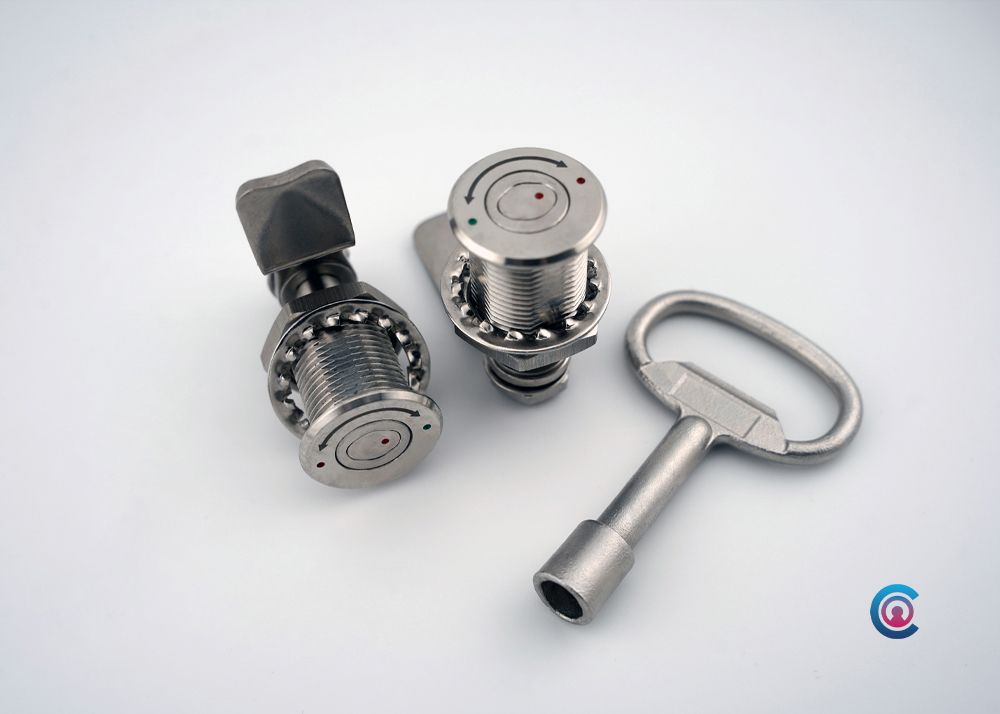
Tamper-resistant Cam Locks: Engineering the Details that Make All the Difference
When it comes to infrastructure enclosures, the difference between a lock that fails and one that holds up often comes down to the details. On the surface, most cam locks look similar. But under pressure, whether from vandalism, heavy use, or harsh conditions, the engineering behind the design ...
When it comes to infrastructure enclosures, the difference between a lock that fails and one that holds up often comes down to the details. On the surface, most cam locks look similar. But under pressure, whether from vandalism, heavy use, or harsh conditions, the engineering behind the design makes all the difference. For manufacturers, contractors, and infrastructure providers, understanding these details isn’t just a technical curiosity. It’s the key to reducing downtime, extending the lifespan of enclosures, and maintaining public trust in essential services. Why Standard Locks Don't Keep Up Legacy cam locks such as pin hex, square head, or tri-head designs were once considered reliable, but they were never engineered for today’s risks. The shortcomings include: Easy access with basic tools – many can be bypassed using screwdrivers, pliers, or generic keys. No compression seal – causing movement, rattling, or water ingress. Protruding or flat faces – giving intruders leverage points to force entry. Wear and tear – weakening mechanisms over time, leading to premature replacement. The result? Enclosures that should last decades are often compromised after just a few years. The Engineering Behind Tamper-resistance Modern tamper-resistant cam locks are not “standard hardware,” they are designed from the ground up to withstand the realities of public-facing environments. Key features include: Three-point EngagementUnlike single-contact locks, tamper-resistant designs require three points of alignment, significantly increasing resistance to torque and manipulation. Compression TechnologyA built-in compression mechanism strengthens the lock during engagement, reducing rattle and providing greater durability under repeated use or environmental stress. Low-profile, Smooth SurfacesWith no protruding faces or flat edges, these locks remove leverage points, reducing the risk of forced entry. Restricted Keying SystemsSpecialised inserts help prevent unauthorised access with everyday tools, adding a further layer of resilience. Retrofittable DesignCritically, these locks fit into the same footprint as standard cam locks, allowing enclosures to be upgraded quickly without costly cabinet replacements. Why These Details Matter It might be tempting to see the lock as a small component, but its performance has major implications: Fewer break-ins mean reduced downtime and operational disruption. Longer cabinet life lowers replacement costs. Improved resilience safeguards public-facing infrastructure against tampering. Quick retrofits allow providers to upgrade protection across networks without large-scale works. When infrastructure security is measured in real-world service delivery and financial resilience, engineering details matter more than ever. Small Details, Big Impact The engineering details inside a tamper-resistant cam lock may be invisible day to day, but they deliver visible results in resilience, cost savings, and service continuity. For manufacturers and infrastructure providers, upgrading locks isn’t just about stronger hardware. It’s about reducing downtime, protecting public trust, and extending the lifespan of critical enclosures. 📞 Call us: 01952 890158📧 Email: sales@contoursecure.co.uk🌐 Visit: www.contoursecure.co.uk Or enquire online to request a sample or discuss how tamper-resistant cam locks could protect your infrastructure.
10 September 2025
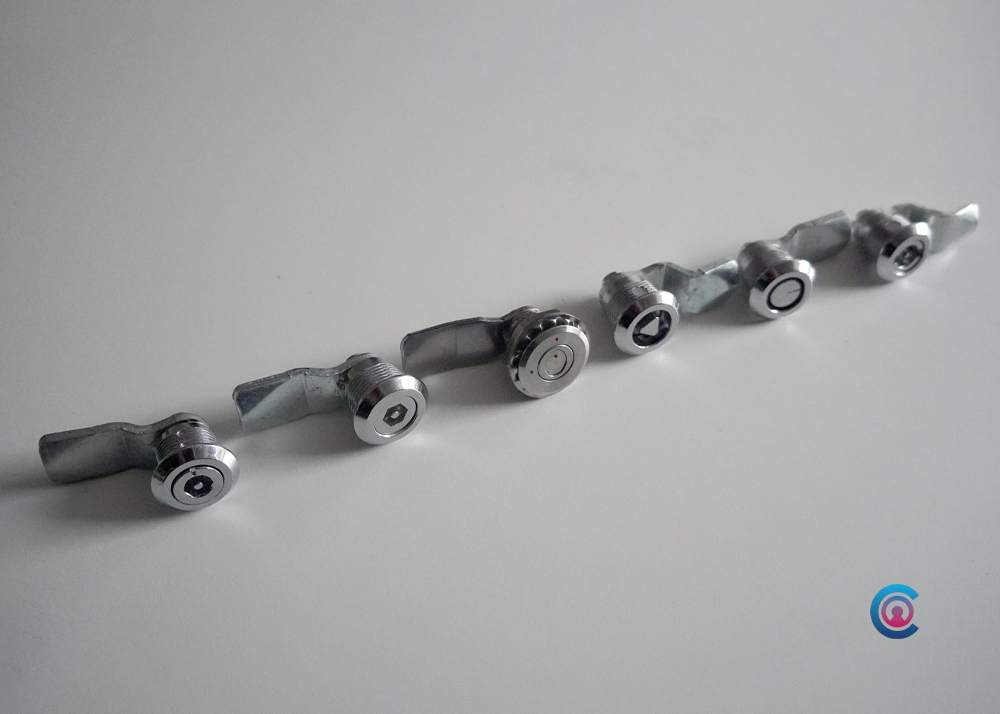
A Lock is Not Just a Lock – Understanding Its Role in Public Safety and Service Delivery
When you think about public infrastructure, you might picture traffic signals, telecom networks, or EV charging points. But often overlooked is the smallest component that protects all of these - the lock. A lock isn’t just a piece of hardware; it’s a frontline safeguard for the services ...
When you think about public infrastructure, you might picture traffic signals, telecom networks, or EV charging points. But often overlooked is the smallest component that protects all of these - the lock. A lock isn’t just a piece of hardware; it’s a frontline safeguard for the services communities depend on every day. If the lock fails, it can trigger knock-on effects that compromise safety, disrupt service delivery, and increase costs for providers. Why Locks Matter for Public Safety Infrastructure enclosures house critical equipment that keeps cities and services running. When locks are compromised, the impact can be significant: Traffic disruption if feeder pillars or signal cabinets are forced open Loss of communication networks if telecom cabinets are vandalised CCTV blind spots if power enclosures are tampered with Safety risks to the public if live electrical components are exposed In each case, the issue stems from the same weak link: a lock that wasn’t designed for the realities of public-facing infrastructure. The Shortcomings of Standard Locks Legacy cam locks, such as pin hex, square head, or tri-head designs, were never intended for environments with high tampering risks. Their weaknesses include: Widely available tools and keys making them easy to bypass Exposed faces and flat edges providing leverage points Poor resistance to wear, weathering, and repeated use No design consideration for public safety requirements For infrastructure managers, the consequence is more than a security breach, it’s a threat to the safe and reliable delivery of public services. What Defines a Tamper-resistant Lock? Modern tamper-resistant locks are engineered with features that directly address these shortcomings. Key design elements include: Three-point contact mechanisms to resist torque and forced entry Compression ring technology that adds durability and reduces prying opportunities Smooth, low-profile faces that remove leverage points and reduce visible weak spots Restricted key systems that reduce the risk of unauthorised access with generic tools Retrofittable compatibility that allows upgrades without replacing entire cabinets These features aren’t just about stopping vandalism. They’re about protecting the delivery of essential services people rely on daily. Why Upgrading Locks Protects Service Delivery By retrofitting enclosures with tamper-resistant locks, providers can: Reduce downtime caused by vandalism or forced entry Avoid costly replacements of cabinets or equipment Extend the lifespan of existing infrastructure Protect public confidence in essential services In other words, upgrading locks is more than a maintenance choice; it’s a public safety decision. Small Hardware, Big Responsibility A lock might be the smallest part of your enclosure, but it carries the greatest responsibility: protecting critical infrastructure and the services people depend on. By upgrading to tamper-resistant cam locks designed for public-facing environments, you’re not just securing equipment, you’re safeguarding service delivery, reducing downtime, and protecting public safety. 📞 Call us: 01952 890158📧 Email: sales@contoursecure.co.uk🌐 Visit: www.contoursecure.co.uk Or enquire online to request a sample or discuss how tamper-resistant cam locks can help protect your infrastructure.
04 September 2025

Designing for Real World Conditions: Why Enclosure Locks Need More Than “Basic Security”
Infrastructure enclosures are everywhere - powering traffic signals, protecting telecoms networks, housing EV charging equipment, and more. Yet in many cases, the locks used to secure them haven’t changed in decades. While a cabinet may be built to withstand weather, vibration, and years of ...
Infrastructure enclosures are everywhere - powering traffic signals, protecting telecoms networks, housing EV charging equipment, and more. Yet in many cases, the locks used to secure them haven’t changed in decades. While a cabinet may be built to withstand weather, vibration, and years of service, its weakest link is often the lock. Real-world conditions such as vandalism, tampering, heavy use, and exposure to the elements, demand far more than basic security hardware. Environmental and Operational Challenges Locks on outdoor enclosures face unique risks that extend far beyond normal wear and tear: Weather exposure: Rain, frost, and heat cycles can weaken seals and corrode mechanisms. Frequent access: High-traffic sites such as telecom or power distribution cabinets may be opened daily, increasing strain on the locking system. Vandalism & theft: Opportunistic attacks using basic tools are on the rise, with weak locks often bypassed in seconds. Public safety risks: If compromised, an enclosure can expose live electrical components or disrupt critical infrastructure. Traditional keyed cam locks, whether square head, double D, or pin hex, were never designed with these pressures in mind. Why "Standard" Locks Fall Short Standard cam locks still found on thousands of cabinets present several vulnerabilities: Low tamper resistance: Easily opened with screwdrivers, pliers, or improvised tools. No compression seal: Allowing movement, rattling, and water ingress over time. Protruding faces: Providing leverage points for forced entry. Maintenance burdens: Frequent replacements due to damage or corrosion. In short, traditional locks aren’t built for the realities of modern infrastructure use. Extending the Life of Critical Enclosures Cabinet replacement is costly and disruptive.; but replacing outdated locks with tamper-resistant alternatives: Extends enclosure lifespan by protecting against damage. Reduces downtime by preventing breaches and failures. Cuts maintenance costs linked to vandalism or weathering. Safeguards public trust by ensuring uninterrupted services. Small Hardware, Big Impact In infrastructure networks, the lock is more than just hardware, it’s a frontline defence. Upgrading to tamper-resistant cam locks designed for real world conditions can prevent expensive replacements, reduce downtime, and protect the safety of both equipment and the public. When the stakes are this high, a “basic lock” just isn’t enough. 📞 Call us: 01952 890158📧 Email: sales@contoursecure.co.uk🌐 Visit: www.contoursecure.co.uk Or request a sample online and see how our tamper-resistant cam locks can improve the resilience of your enclosures.
02 September 2025
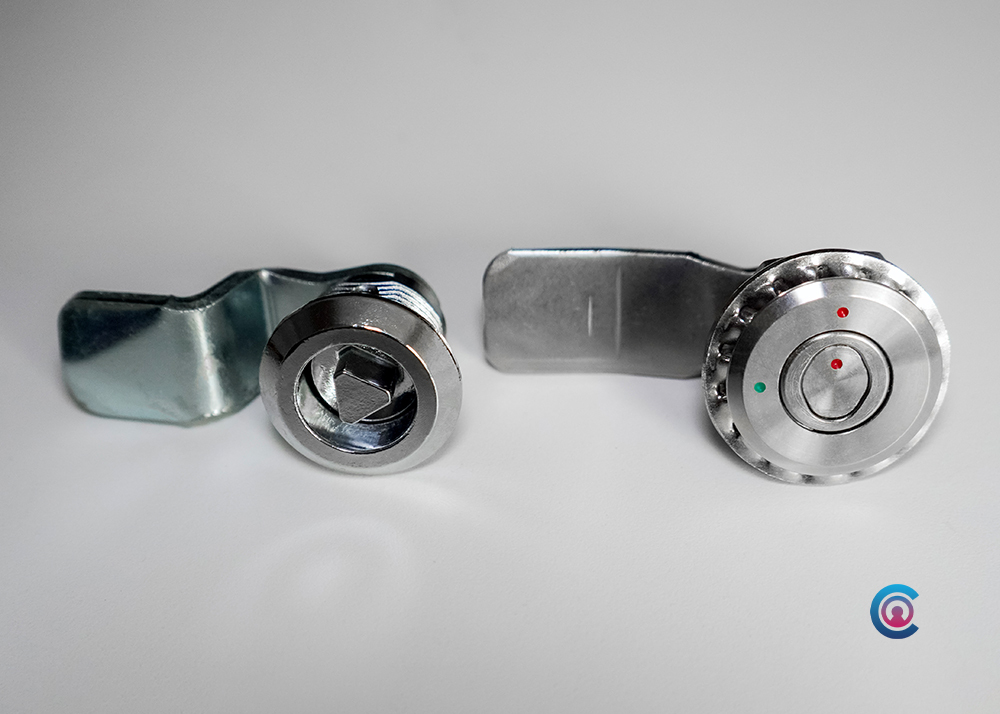
Retrofitting for Resilience: How Upgrading Your Locks Extends Enclosure Lifespan
Across infrastructure networks, enclosures are designed to last for years, but the same can’t always be said for the locks that secure them. When locks fail, the result is often damage to the entire cabinet and electrical elements inside, rising maintenance costs, and premature replacement. The ...
Across infrastructure networks, enclosures are designed to last for years, but the same can’t always be said for the locks that secure them. When locks fail, the result is often damage to the entire cabinet and electrical elements inside, rising maintenance costs, and premature replacement. The good news? You don’t have to replace enclosures wholesale to solve the problem. Retrofitting with tamper-resistant locks provides a cost-effective upgrade that extends lifespan, strengthens resilience, and reduces long-term costs. Why Lock Failures Shorten Enclosure Lifespan Legacy cam locks like pin hex, square head, or tri-head designs, were not engineered for today’s risks. Over time, they: Loosen or rattle, leaving panels vulnerable to forced entry Suffer wear and tear from repeated use, weakening the enclosure structure Attract vandalism when they show visible signs of weakness Cause hidden damage during break-ins, often requiring full cabinet replacement Replacing the entire cabinet is costly, disruptive, and unnecessary when the real weak point is the lock itself. The Value of Retrofitting Retrofitting tamper-resistant locks directly into existing enclosures offers immediate benefits: Extended Enclosure Lifespan – A stronger lock prevents damage, meaning cabinets stay functional for longer. Operational Resilience – Reduced break-ins lead to fewer service interruptions and less downtime. Cost Efficiency – Lock upgrades cost a fraction of replacing full cabinets. Sustainability – Retrofitting reduces waste by avoiding unnecessary disposal of otherwise functional infrastructure. Most importantly, modern tamper-resistant locks are designed to fit the same footprint as standard locks, making installation fast and minimally disruptive. Features that Make the Difference Modern tamper-resistant cam locks are specifically engineered to outlast standard designs, offering: Three-point engagement for superior resistance to torque and forced entry Compression locking that enhances durability and reduces flex or rattle Smooth, low-profile faces that resist tampering and aid hygiene Custom keying systems that prevent unauthorised access with off the shelf tools These upgrades don’t just secure access points, they protect the integrity of the entire enclosure. A Small Change with Big Returns Enclosures are significant investments, but their resilience often hinges on the smallest component: the lock. Retrofitting tamper-resistant cam locks is a simple, practical step that extends cabinet lifespan, improves service reliability, and saves money. The difference between a cabinet that lasts five years and one that lasts fifteen often comes down to whether its weakest point has been addressed. Ready to Retrofit for Resilience? Upgrading your locks doesn’t have to mean replacing entire systems. Retrofitting tamper-resistant cam locks is a proven, cost-effective way to extend enclosure lifespan and safeguard critical infrastructure. 📞 Call us: 01952 890158📧 Email: sales@contoursecure.co.uk🌐 Visit: www.contoursecure.co.uk Or enquire online to request a sample or discuss how retrofitting tamper-resistant locks could improve the resilience of your enclosures.
29 August 2025
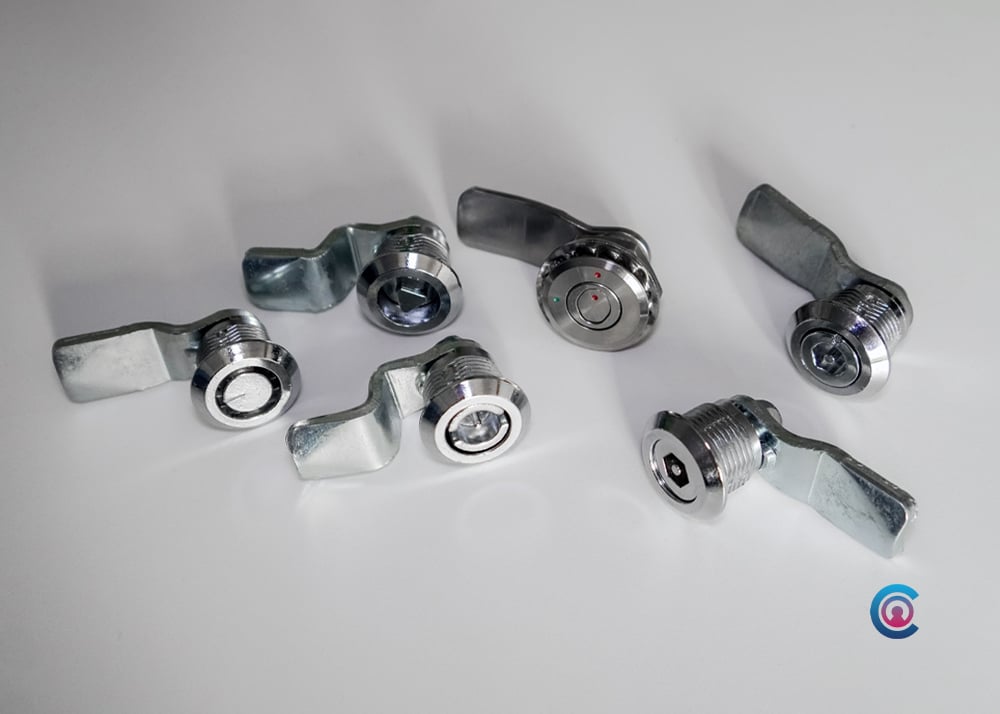
Standard Cam Locks vs. Tamper-resistant Designs: What’s the Real Difference?
From a public perspective, many cam locks are the same - a simple turning mechanism to secure an enclosure door or access panel. In high-risk environments like transport, telecoms, and utilities however, the difference between a standard cam lock and a purpose-built tamper-resistant version can ...
From a public perspective, many cam locks are the same - a simple turning mechanism to secure an enclosure door or access panel. In high-risk environments like transport, telecoms, and utilities however, the difference between a standard cam lock and a purpose-built tamper-resistant version can mean the difference between secure infrastructure and a costly breach. Legacy keyed locks such as pin hex, tri-head, and square head have been industry staples for decades. While they still have a place in low-risk settings, they are increasingly falling short against the real-world challenges of public-facing infrastructure. Legacy Cam Locks: Familiar, but Flawed Common Types: Pin Hex – Once considered highly tamper-resistant, but now easily bypassed with widely available tools. Tri-Head – Designed to reduce the number of tools that can operate it, but prone to wear and easily manipulated with makeshift implements. Square Head – Simple and low-cost, but one of the easiest designs to defeat. Key Weaknesses: Tool Accessibility – Keys and tools to operate these locks are widely available online and in hardware stores. Leverage Points – Many standard designs leave exposed edges or protrusions, making them easier to force open with basic tools. Environmental Wear – Corrosion, dirt ingress, and physical wear over time can make locks easier to break or fail completely. Tamper-Resistant Cam Locks: Engineered for Today’s Risks Modern tamper-resistant designs take a fundamentally different approach, focusing on security, durability, and operational efficiency. Key Features: Three-point Engagement Mechanism – Requires precise alignment at multiple contact points, making forced entry significantly harder. Compression Ring Seal – Tightens during locking to resist prying and improve long-term durability. Low-profile, Smooth Face – Eliminates leverage points and reduces ligature risk while improving aesthetics. Retrofittable Design – Fits the same footprint as most standard cam locks, enabling quick, cost-effective upgrades. Side-by-Side Comparison Feature Standard Cam Locks Tamper-resistant Cam Locks Tamper-resistance Basic, vulnerable to tools High, resists forced entry Wear-resistance Susceptible to corrosion Built for environmental exposure Leverage Points Often exposed/protruding Smooth, flush surfaces Key Security Generic tools widely available Customised, restricted access Retrofit Compatibility Fits existing lock footprints Fits existing lock footprints Why it Matters In infrastructure, the lock is often the most targeted component. A failure here can compromise the entire system, whether that’s a street cabinet powering traffic lights, a telecom enclosure carrying network data, or a CCTV power box keeping communities safe. Switching from standard to tamper-resistant cam locks not only raises security standards but also helps: Reduce maintenance callouts and associated costs Minimise service downtime Extend the lifespan of enclosures Protect public safety and organisational reputation. The Real Difference Starts with the Lock When comparing standard cam locks with tamper-resistant designs, the difference is more than technical, it’s practical, financial, and operational. Outdated locks leave enclosures exposed to tampering, damage, and rising maintenance costs. Switching to tamper-resistant cam locks is a small change that delivers big results: stronger protection, easier maintenance, and longer-lasting infrastructure. When security is measured in real-world costs and public trust, the real question isn’t whether tamper-resistant locks are worth it, it’s whether you can afford to keep relying on outdated designs. 📞 Call us: 01952 890158📧 Email: sales@contoursecure.co.uk🌐 Visit: www.contoursecure.co.uk Or enquire online to request a sample or discuss how tamper-resistant cam locks could improve your infrastructure security.
28 August 2025
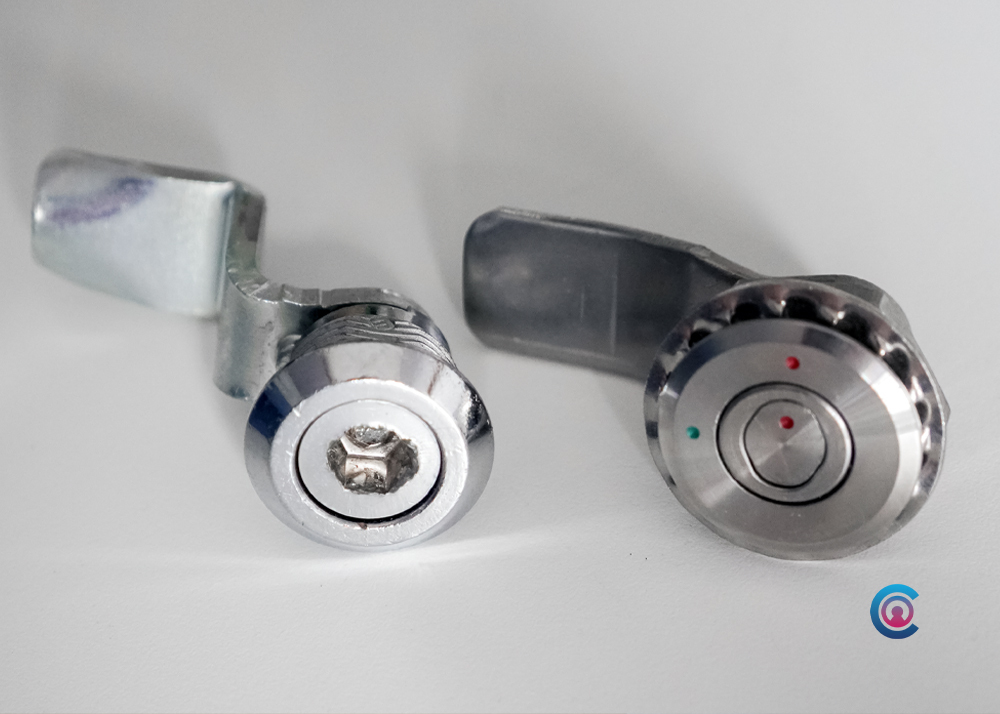
Why Lock Failures Are Costing Infrastructure Providers More Than You Think
A damaged lock might seem like a small problem, but for infrastructure providers, it can trigger a cascade of costs that go far beyond the price of a replacement. In today’s high-risk environments, cabinet breaches caused by outdated or inadequate locking systems are creating hidden financial, ...
A damaged lock might seem like a small problem, but for infrastructure providers, it can trigger a cascade of costs that go far beyond the price of a replacement. In today’s high-risk environments, cabinet breaches caused by outdated or inadequate locking systems are creating hidden financial, operational, and reputational damage. Whether it’s a feeder pillar, telecom enclosure, traffic control cabinet, or CCTV power unit, the weakest point in the structure is often the lock. When that fails, the consequences can be both immediate and long-lasting. The Hidden Costs of Lock Failure 1. Emergency Repairs & Callouts When a cabinet is vandalised or forced open, emergency maintenance teams must be dispatched, often outside normal working hours. These callouts cost significantly more than scheduled maintenance visits, stretching budgets and diverting resources from planned work. 2. Service Downtime In critical infrastructure, downtime isn’t just inconvenient, it can have serious safety and operational consequences. Examples include: Traffic lights failing, leading to congestion and accidents Telecom network outages affecting businesses and public services CCTV systems going offline, reducing public safety and security monitoring The longer the downtime, the higher the cost, both financially and in public trust. 3. Equipment Replacement Many breaches don’t just damage the lock; they damage the entire cabinet or the equipment inside. Replacing these components can cost hundreds or even thousands of pounds per unit. In some cases, infrastructure operators have had to replace entire cabinets because the repair cost outweighed the value of the unit. 4. Reputational Impact When security breaches become visible to the public whether through news reports, social media posts, or service failures, they erode confidence in the organisation’s ability to manage critical infrastructure. This reputational damage can have long-term effects, especially for public sector providers and utilities. Why Legacy Locks Aren't Enough Commonly used lock types, such as square head, double D, and tri-head, were never designed for today’s tampering risks. They can often be bypassed with basic tools and widely available keys. Even stronger options like pin hex or crown locks are showing their age, with vulnerabilities that persistent vandals can exploit. These older designs also suffer from wear and tear, weathering, and corrosion, all of which make them easier to force open over time. How Tamper-resistant Locks Reduce Costs Modern tamper-resistant cam locks are engineered to minimise the risk of breaches and the costs that follow. Key features include: Three-point contact mechanisms for added resistance to forced entry Compression rings to prevent prying and protect against environmental wear Low-profile, smooth faces to eliminate leverage points and reduce damage risk Custom key systems to stop access with generic or improvised tools Because many of these locks are retrofittable into existing enclosures, upgrading doesn’t require expensive cabinet replacements, delivering both security and cost efficiency. A Small Upgrade, a Big Difference For infrastructure providers, the financial case for upgrading locks is clear. A small investment in tamper-resistant locking can prevent thousands of pounds in reactive costs, safeguard operational uptime, and protect public trust. When you break it down, the question isn’t whether you can afford to upgrade your locks, it’s whether you can afford not to. 📞 Call us: 01952 890158📧 Email: sales@contoursecure.co.uk🌐 Visit: www.contoursecure.co.uk Or enquire online to request a sample or discuss how tamper-resistant locks can help protect your infrastructure - and your bottom line.
27 August 2025
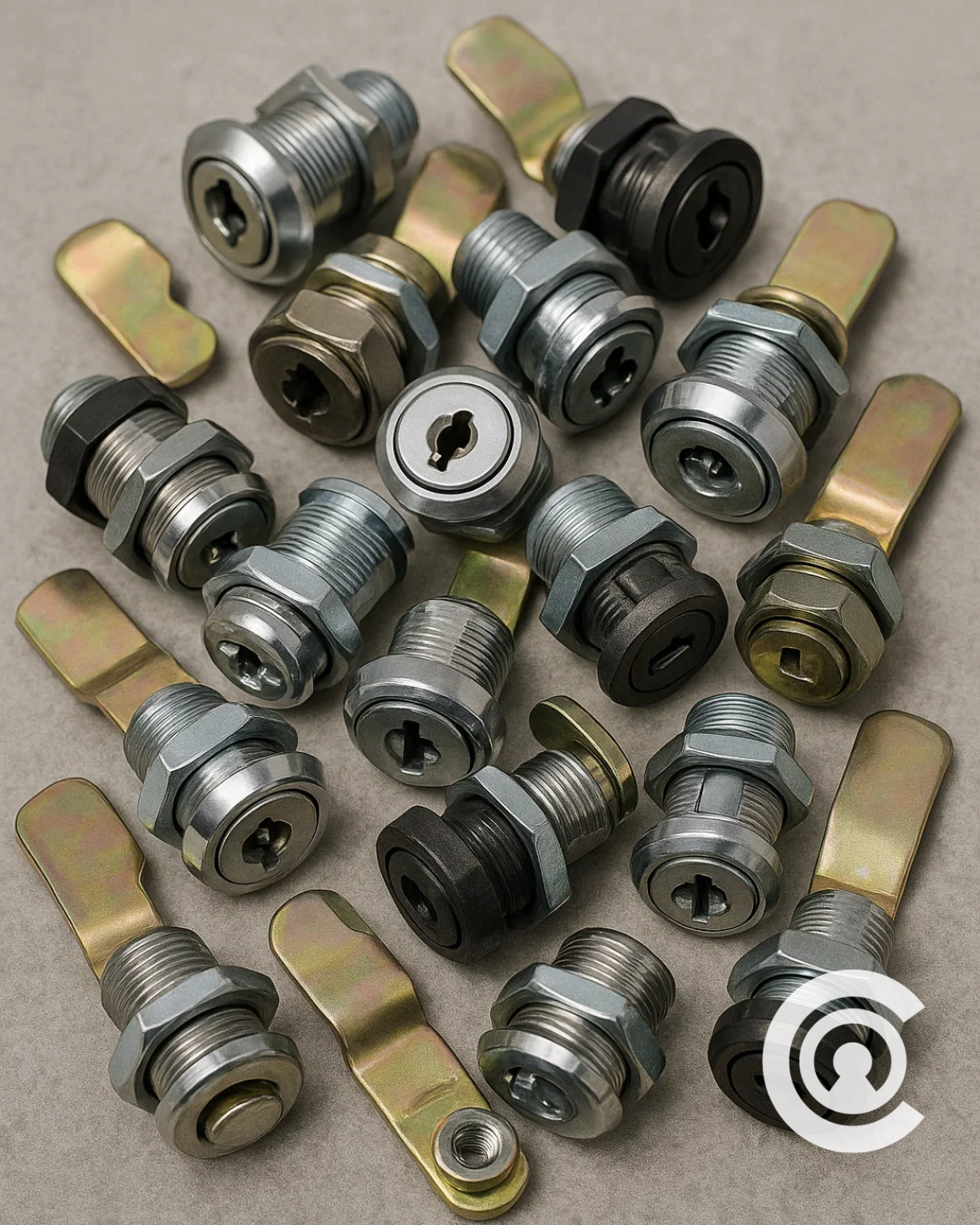
The Weakest Link: How Outdated Locks Compromise Enclosure Security
In critical infrastructure networks, the strength of the system is only as good as its weakest point, and all too often, that point is the lock. Whether it’s a feeder pillar, telecom cabinet, CCTV power enclosure, or highway control cabinet, outdated locking mechanisms are leaving vital assets ...
In critical infrastructure networks, the strength of the system is only as good as its weakest point, and all too often, that point is the lock. Whether it’s a feeder pillar, telecom cabinet, CCTV power enclosure, or highway control cabinet, outdated locking mechanisms are leaving vital assets exposed to tampering, vandalism, and theft. When these locks fail, the consequences go far beyond the immediate repair - they can cause network outages, service delays, public safety issues, and high replacement costs. The reality is that many enclosures are still fitted with legacy locks that were never designed to withstand the challenges of today’s high-risk environments. Common Legacy Locks and Their Limitations Older enclosures often feature basic lock designs, such as: Square head or double D locks – Widely used but can be opened with common hand tools. Tri-head locks – Once considered secure, but now easily bypassed with inexpensive keys or makeshift tools. Pin hex or crown locks – Stronger than standard designs, but still vulnerable to tampering and wear over time. While these may have been suitable decades ago, they haven’t kept pace with evolving threats. Key issues include: Ease of forced entry – Many can be opened in seconds with basic tools. Lack of tamper resistance – Designs with leverage points, protrusions, or weak materials make them easy targets. Weathering and wear – Exposure to the elements can weaken locks, making them easier to break. The Real-world Risks of Weak Locks When an enclosure is compromised, the fallout can be significant: Operational downtime – Traffic signals fail, telecom networks drop, CCTV coverage is lost. Safety hazards – Damaged electrical systems pose a risk to the public and maintenance teams. Costly replacements – In many cases, the entire cabinet needs replacing, not just the lock. Reputational impact – Service failures can erode public trust in the organisation responsible. These aren’t just hypothetical scenarios - from ULEZ camera enclosures being vandalised to feeder pillars prised open, the evidence is already visible across UK infrastructure. Why Tamper-resistant Locking Matters Modern tamper-resistant cam locks are designed with these risks in mind. Key features include: Three-point contact engagement – Makes forced entry far more difficult. Compression ring design – Improves resistance to prying, vibration, and weathering. Smooth, low-profile faces – Removes leverage points for tools and reduces wear. Custom key systems – Prevents access using generic or widely available keys. Importantly, these designs can often retrofit into existing enclosures, eliminating the need for expensive replacements. Retrofitting: The Cost-effective Upgrade Rather than replacing entire cabinets, many operators are now choosing to retrofit stronger locks. The benefits include: Reduced callouts and repairs – Fewer instances of vandalism related failures. Extended service life – Enclosures remain operational for longer. Fast installation – Many retrofittable locks fit directly into standard footprints. This simple upgrade strengthens the weakest link without major disruption to services. Conclusion Security isn’t just about the enclosure itself, it’s about every component that keeps it secure. Outdated locks create vulnerabilities that can be exploited in minutes, but modern tamper-resistant designs offer a practical, cost-effective way to reduce risks. If you manufacture, specify, or manage infrastructure enclosures, it’s worth asking - is your lock your weakest link? 📞 Call us: 01952 890158📧 Email: sales@contoursecure.co.uk🌐 Visit: contoursecure.co.uk Or use our online form to request a sample or discuss how tamper-resistant locks could help strengthen your security.
13 August 2025
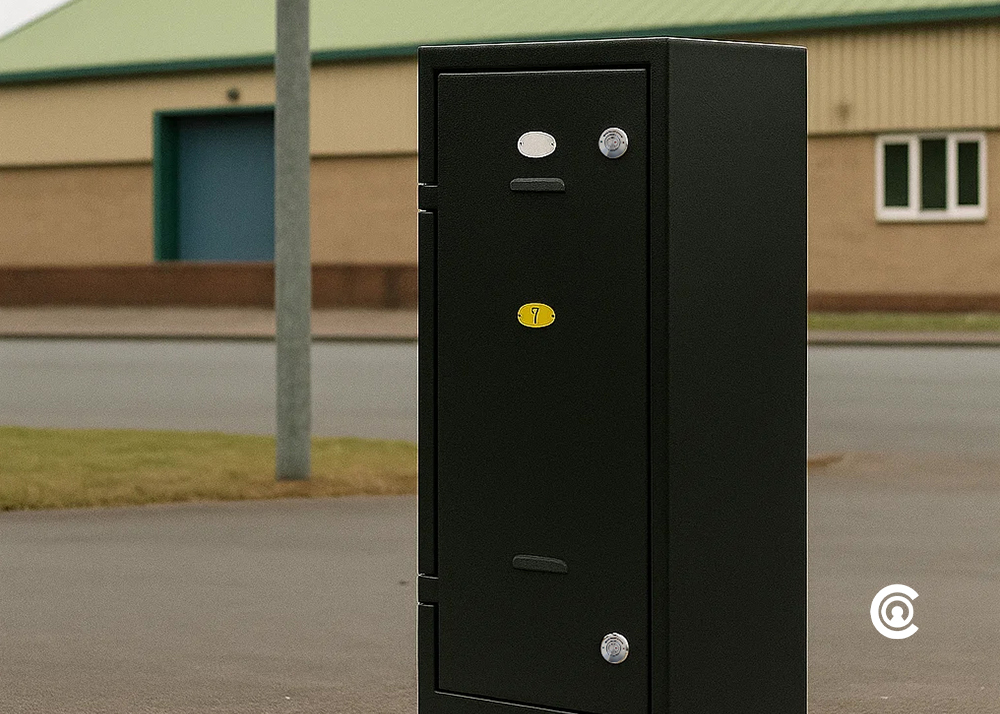
Securing Enclosures in the Real World: Addressing the Growing Risks with Tamper-resistant Solutions
Across the UK, infrastructure enclosures (from feeder pillars to roadside cabinets and telecom cabinets) are under increasing threat. Whether used for power distribution, traffic signal management, EV charging, or communications, these enclosures are often installed in publicly accessible areas, ...
Across the UK, infrastructure enclosures (from feeder pillars to roadside cabinets and telecom cabinets) are under increasing threat. Whether used for power distribution, traffic signal management, EV charging, or communications, these enclosures are often installed in publicly accessible areas, making them vulnerable to vandalism, forced entry, and theft. This problem isn’t new, but it’s escalating. And it’s costing companies and public services time, money, and operational reliability. The Problem: Vandalism is on the Rise The expansion of London's ULEZ (Ultra Low Emission Zone) has brought a surge in attacks on infrastructure. Between April and October 2023, Metropolitan Police recorded 987 offences involving ULEZ cameras - 220 stolen and 767 damaged. Each camera unit is estimated at around £10,000, resulting in an estimated £9.8 million in replacement and repair costs over just six months. Moreover, these assaults often don’t stop at the cameras themselves. Adjacent enclosures such as feeder pillars, roadside cabinets, and telecom housings, frequently sustain collateral damage. Whether the aim is to cut power to disable the system or to directly compromise control infrastructure, weapons as simple as screwdrivers or crowbars are being used with alarming ease against weak locking systems. These attacks have serious consequences: Complete equipment failure High-value replacements of entire cabinets or enclosures Interrupted services ranging from traffic signals and EV charging to CCTV and communications A surge in maintenance demands and emergency callouts These figures (nearly 1,000 incidents and £10 million in costs) underscore the urgent need for stronger, more resilient security solutions to protect our critical infrastructure. The Weakest Link: Standard Locks Can’t Keep Up Most enclosures come fitted with standard cam locks, many of which can be forced open using little more than a screwdriver or makeshift tool. The issue lies not only in the strength of the materials but in the design of the lock itself - many feature flat edges, accessible keyways, and little resistance to torque or impact. For companies managing large estates of infrastructure enclosures, this leaves hundreds (or thousands) of access points open to risk. The Solution: Contour Secure’s Tamper-Resistant Cam Lock Contour Secure has developed a tamper-resistant cam lock designed to address these exact challenges. It’s not a rebranded off-the-shelf product, it’s the result of understanding how enclosures are being compromised and designing a lock that responds to real-world risks. Key features include: A three-point contact system requiring specific alignment to engage A compression ring that increases resistance to tampering and forced entry A smooth, low-profile face with no leverage points, reducing the risk of tool-based attacks No flat edges or standard insert shapes that are typically exploited with generic tools Perhaps most importantly, it’s designed to retrofit into the same footprint as standard CAM locks. That means no drilling, no costly modifications, and minimal downtime during installation. Making Security Practical Replacing entire cabinets is expensive. Retrofitting a more robust lock is fast, simple, and cost-effective, especially when you consider: Reduced callouts and emergency repairs Fewer instances of vandalism-related failure Extended lifespan of existing enclosures Whether you’re managing feeder pillars, traffic systems, telecom infrastructure, or EV charging enclosures, investing in proper locking mechanisms can help prevent damage before it happens. Final Thoughts Security isn’t just about products, it’s about understanding the risks and responding to them proactively. The widespread damage seen across infrastructure during ULEZ expansion shows how real and urgent the threat is. Contour Secure’s tamper-resistant cam lock is a practical response - engineered to withstand tampering, integrate easily, and help protect critical infrastructure from the ground up. If you're facing challenges with vandalism, damaged enclosures, or rising maintenance costs, it might be time to reconsider the locking systems you're relying on. At Contour Secure, we’re here to help you protect what matters. Our tamper-resistant cam locks are designed to retrofit easily, reduce risk, and provide a practical upgrade to your existing security approach. 📞 Call us: 01952 890158📧 Email: sales@contoursecure.co.uk🌐 Visit: contoursecure.co.uk Or use our online form to enquire about a free sample or discuss your requirements with a member of the team. Let’s work together to secure your infrastructure - properly.
05 August 2025
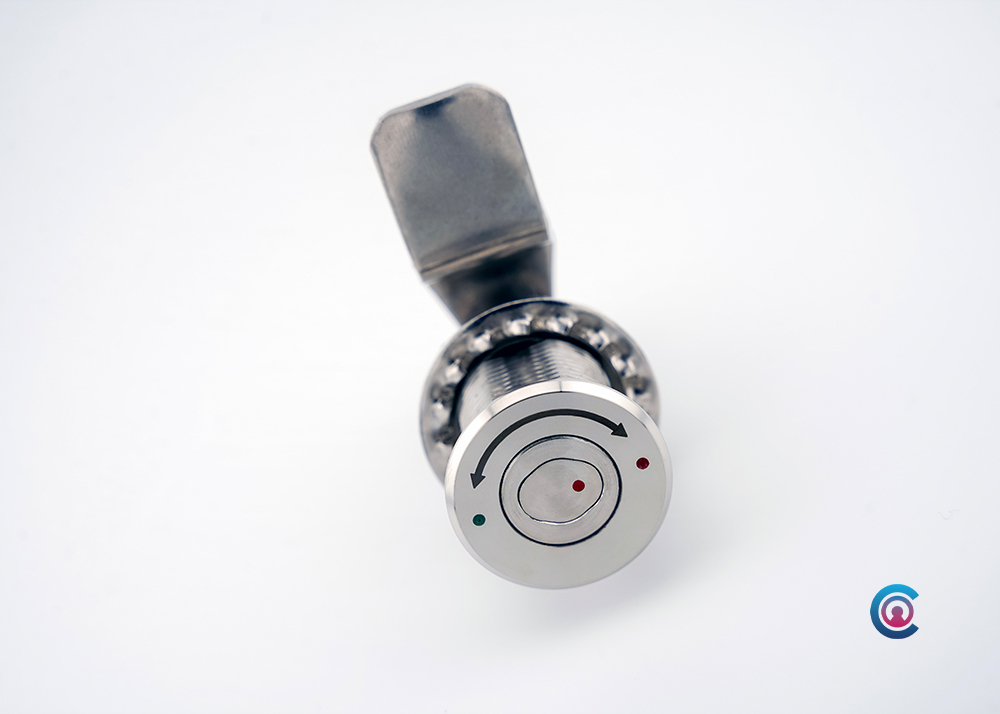
How Contour Secure’s Tamper-resistant Cam Locks Work
When it comes to protecting valuable assets or ensuring safety in critical environments, understanding the functionality behind a security solution is essential. Contour Secure’s tamper-resistant cam lock is designed with precision to offer an effective response to the challenges faced by ...
When it comes to protecting valuable assets or ensuring safety in critical environments, understanding the functionality behind a security solution is essential. Contour Secure’s tamper-resistant cam lock is designed with precision to offer an effective response to the challenges faced by manufacturers of feeder pillars, anti-ligature, and tamper-resistant products. This guide explains how the locks operate and how they contribute to improved security and usability. The Oval Insert Design: A Key Security Feature At the core of the tamper-resistant cam lock is its unique oval insert design. Unlike traditional locking mechanisms, which may be more vulnerable to manipulation, this design requires three precise points of contact to operate the lock. When the authorised key is inserted into the lock, it engages with the oval insert to align the mechanism. This specific interaction ensures that only the correct tool can unlock the mechanism, offering a heightened level of resistance to unauthorised attempts. For manufacturers, this feature provides an added layer of confidence that their products are equipped with locks specifically designed to address the risks posed by unauthorised access. Compression Ring for Enhanced Security Another significant component of the tamper-resistant cam lock is its built-in compression ring. This ring works alongside the oval insert to provide an additional layer of security by making the mechanism more resistant to tampering attempts. When the lock is engaged, the compression ring applies controlled pressure to secure the locking mechanism firmly in place. This feature not only adds strength to the lock but also makes it more challenging for unauthorised tools or methods to manipulate the mechanism. This design element is particularly valuable in high-risk or high-use environments, where maintaining the integrity of access points is critical to operational success. Visual Engagement Indicators for Easy Verification Contour Secure’s tamper-resistant cam lock also includes clear visual engagement indicators, which make it easier for users to verify whether the lock is engaged or disengaged. This simple yet practical feature supports maintenance teams and other personnel in quickly identifying the lock’s status during routine inspections, minimising the time and effort required to check multiple access points. For industries dealing with large-scale systems, such as feeder pillars or roadside cabinets, this added convenience enhances operational efficiency while contributing to a more secure setup. Smooth Surface Design for Practical Benefits The lock’s smooth surface has been carefully designed to reduce potential leverage points that might be used in attempts to manipulate or force the lock. This feature enhances its tamper-resistant properties while also offering practical advantages for maintenance and hygiene. In environments like healthcare settings or custodial facilities, where cleanliness is a top priority, the lock’s sleek surface simplifies cleaning routines. This contributes to maintaining hygienic conditions, helping your products meet the expectations of end users in demanding environments. Suitable for Retrofitting One of the key advantages of our tamper-resistant cam lock is its suitability for retrofitting. Whether you are upgrading older equipment or improving security on existing products, the lock’s versatile design makes it an excellent choice for seamless integration. Its compact size and compatibility with standard fittings mean that manufacturers and facility managers can enhance security without the need for significant design changes or complex installation processes. This reduces downtime and allows for cost-effective upgrades, ensuring that your systems meet evolving safety and security requirements. For businesses seeking to improve the functionality and security of legacy equipment, retrofitting with this lock provides a straightforward and effective solution. Easy Integration into Your Products Contour Secure’s tamper-resistant cam lock is not only secure but also practical for manufacturers to integrate into their existing designs. The lock is designed to be versatile, accommodating a range of applications while maintaining consistent performance. Whether you’re developing feeder pillars, junction boxes, or tamper-resistant products, the lock’s thoughtful design ensures it fits seamlessly into your production processes. This helps to create a finished product that reflects your commitment to safety and quality. Designed with Customers in Mind Every aspect of the tamper-resistant cam lock is engineered with the needs of manufacturers and their clients in mind. By offering advanced tamper resistance, clear engagement indicators, and a sleek design, the lock helps address common challenges, including unauthorised access, operational inefficiencies, and the need for practical maintenance solutions. Contour Secure’s focus on customer priorities means this lock is more than just a product - it’s a step towards building trust, enhancing safety, and improving reliability for your end users. Learn More About Contour Secure’s Locking Solutions If you’re ready to explore how the tamper-resistant cam lock can enhance your products and provide effective solutions to security challenges, we’re here to help. Click here to learn more about this innovative locking mechanism and how it can benefit your business.
25 July 2025
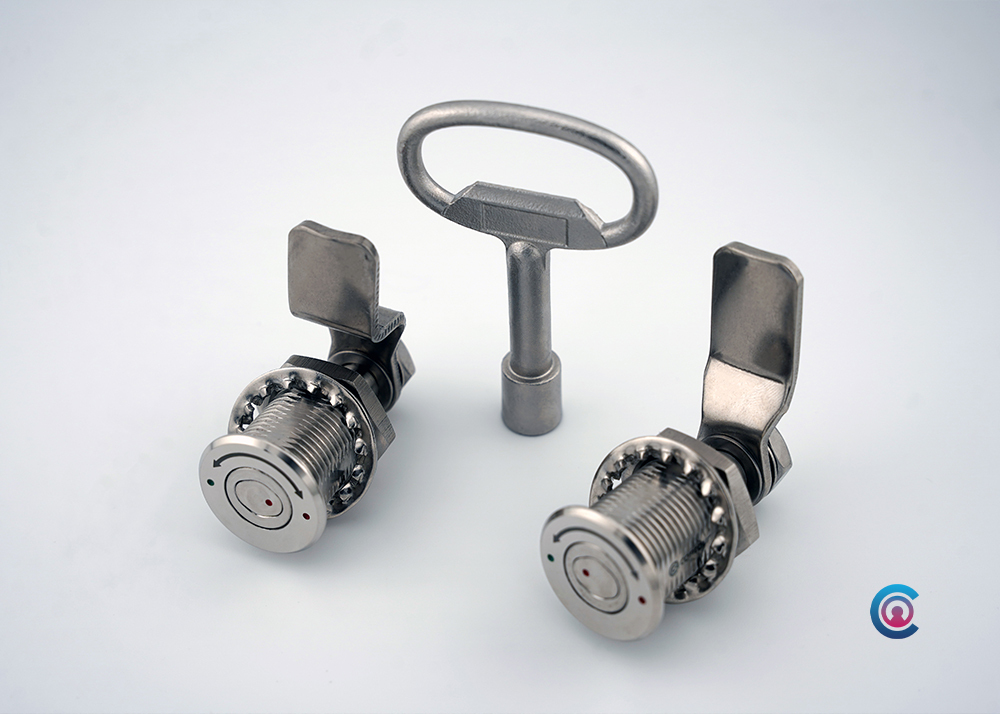
Introducing the Tamper-resistant Security Cam Lock
In industries where reliability, safety, and durability are paramount, security solutions must go beyond the ordinary. Whether you manufacture feeder pillars, junction boxes, or tamper-resistant products, securing access points is critical to maintaining operational integrity. The risks of ...
In industries where reliability, safety, and durability are paramount, security solutions must go beyond the ordinary. Whether you manufacture feeder pillars, junction boxes, or tamper-resistant products, securing access points is critical to maintaining operational integrity. The risks of unauthorised access, tampering, or accidental breaches are real and can result in costly downtime, safety risks, and compromised functionality. To address these challenges, Contour Secure proudly presents its innovative tamper-resistant security cam lock, a solution meticulously designed to meet the specific needs of manufacturers who value security, safety, and peace of mind. Why Security Matters in Access-controlled Environments The consequences of insufficient access control can be severe across various sectors: For manufacturers of feeder pillars and junction boxes, unauthorised access can lead to damaged equipment, service interruptions, and potential hazards for end users. For manufacturers of tamper-resistant products, ensuring every component aligns with your mission of safety is critical - particularly in environments such as healthcare facilities, custodial settings, and high-security infrastructures. Contour Secure’s tamper-resistant security cam lock directly addresses these pain points by offering a secure, durable, and practical solution to safeguard critical equipment and infrastructure. Features That Solve Your Challenges Unparalleled Tamper-resistanceThe security cam lock’s innovative oval insert design stands out by requiring three precise points of contact to operate. Unlike traditional locking mechanisms that may be vulnerable to manipulation, this design makes unauthorised tampering significantly more difficult.A central compression ring further fortifies the lock, deterring attempts to force entry. For manufacturers, this provides the reassurance that your products remain securely locked - even in high-risk environments. Visual Security Indicators for Instant VerificationThe lock incorporates clear, visible markers to indicate its engagement status at a glance. This feature not only simplifies routine checks for maintenance teams but also prevents accidental oversight of improperly secured locks.For industries dealing with numerous access points - such as junction boxes in utility networks or security enclosures - this feature streamlines operations, reducing the time and effort required for manual inspections. Smooth Surface Design for Enhanced Security and HygieneThe lock’s sleek and smooth surface is designed to reduce potential leverage points that could be exploited in attempts to force it open. This carefully considered design aims to enhance security while also making cleaning and maintenance more straightforward.In healthcare or custodial environments where hygiene is critical, the lock’s surface is designed to support a high standard of cleanliness, assisting in meeting stringent industry standards. Durable and Reliable ConstructionPrecision-engineered with 304 stainless steel, the tamper-resistant security cam lock is built to endure the demands of rigorous environments. It offers long-lasting protection, reducing the need for frequent replacements and providing manufacturers with a cost-effective security solution. Tailored to Your Industry Contour Secure understands that every sector has unique requirements. Here’s how the tamper-resistant security cam lock addresses challenges in specific industries: Manufacturers of feeder pillars and junction boxes: These essential components are often located in outdoor or remote environments, making them susceptible to unauthorised access. The lock’s robust tamper-resistant design is intended to enhance the security of your equipment, helping to reduce risks and support system integrity. Producers of tamper-resistant products: Whether you design solutions for healthcare facilities, custodial settings, or high-security sites, your products are held to the highest safety standards. The tamper-resistant security cam lock integrates seamlessly into these environments, offering an additional layer of security and reliability that protects end users. Other custom applications: The lock’s versatile design makes it suitable for a range of products and settings. If you’re designing enclosures, cabinets, or any solution requiring secure access control, this lock delivers the peace of mind your client’s demand. Benefits That Go Beyond the Product By integrating the tamper-resistant security cam lock into your products, you’re not just enhancing security, you’re building trust. End users expect reliability, especially in safety-critical environments, and this locking solution delivers. From reduced tampering risks to fewer maintenance callouts, the lock supports smoother operations and better outcomes for your clients. It’s more than a product; it’s a tangible way to demonstrate your commitment to quality, safety, and innovation. Partner with Contour Secure for Your Security Needs Contour Secure is committed to empowering manufacturers with practical, innovative solutions tailored to their needs. Our tamper-resistant security cam lock exemplifies this commitment, providing a product that meets the highest standards of safety, reliability, and user-focused design. If you’re ready to secure your products with a lock designed to withstand the most demanding environments, we’re here to help. Explore the tamper-resistant security cam lock and discover how it can elevate the performance and reliability of your solutions. Click here to learn more and download the full product details.
18 July 2025
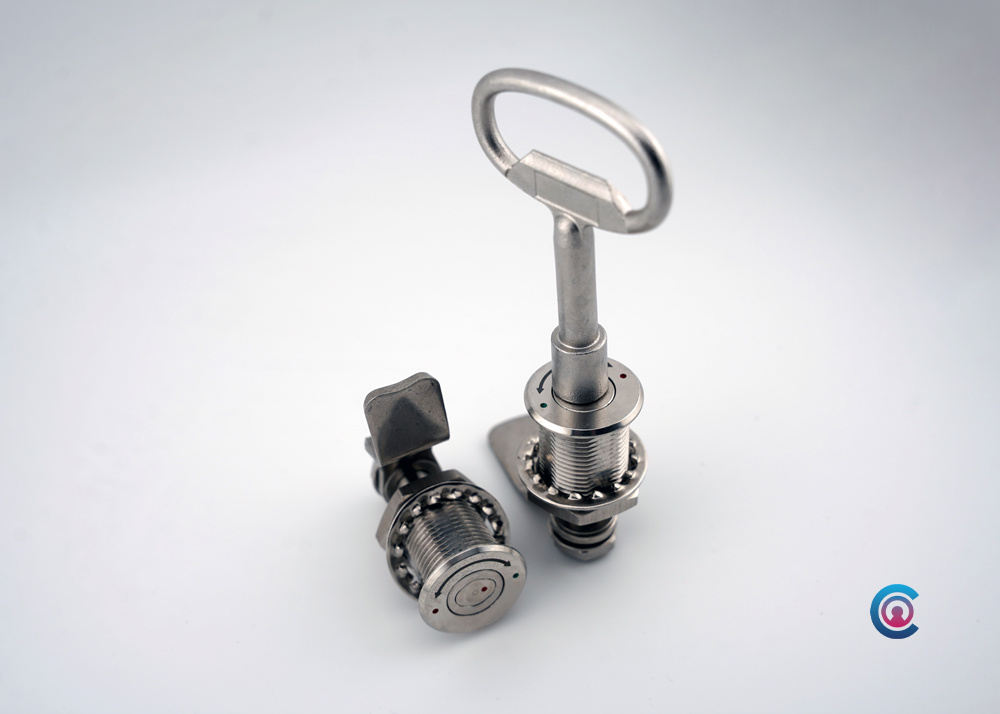
Introduction to Contour Secure: Innovating Safety and Security Solutions
In industries where safety and security are paramount, Contour Secure is dedicated to developing innovative, tamper-resistant security solutions that help protect people and assets.With over 20 years of experience in designing specialist products, the team behind Contour Secure has identified key ...
In industries where safety and security are paramount, Contour Secure is dedicated to developing innovative, tamper-resistant security solutions that help protect people and assets.With over 20 years of experience in designing specialist products, the team behind Contour Secure has identified key challenges in locking mechanisms and window protection, leading to the development of practical, durable, and effective solutions.From tamper-resistant cam locks to ligature-resistant window protectors, Contour Secure’s products are designed to support industries where risk reduction and security are critical. This includes psychiatric care environments, secure enclosures, and local authority buildings, where traditional security solutions may fall short in terms of safety, ease of use, and practicality. Addressing the Gaps in Security Solutions Over the years, the founders of Contour Secure have worked closely with specialist sectors, learning first-hand about the limitations of existing security solutions. Many standard locks used in secure environments are easily manipulated, prone to damage, or difficult to maintain, creating ongoing issues for maintenance teams, the general public, and service users. Similarly, window security is often compromised due to cost, impracticality, or an institutional appearance, which can negatively impact the functionality and aesthetics of a space. Contour Secure was established to bridge these gaps, providing reliable, well-engineered solutions that enhance security without unnecessary complexity or excessive costs. Our Product Range: Practical & Versatile Security Solutions At Contour Secure, every product is designed with a customer-first approach, ensuring that safety solutions are not only effective but also practical for real-world use. Tamper-resistant Security Cam LockThe tamper-resistant security cam lock is a precision-engineered solution developed to help reduce the risks of unauthorised access and tampering. Featuring a three-point contact mechanism and compression ring, this lock provides enhanced security for access panels, enclosures, and critical infrastructure. It is suitable for psychiatric care settings, secure enclosures, and public infrastructure projects where robust locking mechanisms are essential. Ligature-resistant Surface Mounted Window ProtectorWindows are a commonly overlooked security concern in high-risk environments. The surface mounted window protector is a cost-effective, easy-to-install solution that can be retrofitted over existing windows, reducing the need for major modifications or downtime. Designed to help improve window security without compromising aesthetics, it provides a discreet, practical approach to enhancing safety. Ligature-resistant Inset Window ProtectorFor projects requiring a flush-fit, integrated window security solution, the inset window protector is an ideal option. Designed to sit within the window reveal, it helps to maintain a discreet, space-efficient design while supporting safety and risk reduction efforts. Its durable materials and practical installation make it a suitable choice for both new builds and retrofit applications. Why Choose Contour Secure? Contour Secure was founded on the belief that security solutions should be both effective and practical. Every product is developed with a focus on safety, durability, and ease of use, ensuring that customers receive a solution that is well-suited to their specific security challenges. By working closely with industry professionals, facility managers, and security specialists, Contour Secure continues to refine its product range, offering well-designed, customer-centric solutions that support secure, functional, and well-managed environments. For more information about our products and how they can support your security needs, contact our team today.
08 February 2025
Contour Secure Launches New Website: A Hub for Innovative Security Solutions
At Contour Secure, we are committed to delivering tamper-resistant security solutions that enhance safety across multiple industries. Now, with the launch of our new website, we’re making it easier than ever for customers to explore our specialist locking systems and window protection solutions in ...
At Contour Secure, we are committed to delivering tamper-resistant security solutions that enhance safety across multiple industries. Now, with the launch of our new website, we’re making it easier than ever for customers to explore our specialist locking systems and window protection solutions in one dedicated space.Our new online platform provides a clear, informative, and user-friendly experience, allowing professionals in psychiatric care, secure enclosures, and local authority settings to find practical security solutions designed to meet their needs.Why We Launched Contour Secure’s New WebsiteAs a company with a background in specialist safety solutions, we’ve seen first-hand how critical security measures can sometimes be overlooked or compromised due to cost, impracticality, or lack of innovation in product design. We created Contour Secure to bridge these gaps - developing solutions that help reduce risks, improve security, and support the practical needs of staff and facility managers.With the launch of our dedicated website, we aim to: Provide a central resource for professionals looking for reliable, tamper-resistant security products. Showcase our innovative product range with clear specifications, applications, and benefits. Make it easier for customers to enquire about and order custom security solutions. What You’ll Find on the New Contour Secure Website The new Contour Secure website has been designed to offer a straightforward, informative browsing experience, helping customers find the right security solutions for their specific needs. A Closer Look at Our Security Products Tamper-resistant Cam LockA robust locking system designed for access panels, enclosures, and critical infrastructure. With its three-point contact mechanism and compression ring, it offers a durable and practical security solution. Ligature-resistant Surface Mounted Window ProtectorA cost-effective, easy-to-install window security solution that can be retrofitted over existing windows, helping to improve safety without major structural changes. Ligature-resistant Inset Window ProtectorA flush-fit, integrated window protection solution, ideal for settings where a seamless, discreet security approach is required. Each product page provides detailed insights into key features, applications, and technical specifications, helping customers understand the benefits and make informed decisions. Sectors We Support Our security solutions cater to a range of industries, with a dedicated section highlighting our work in: Psychiatric care settings – Providing secure locking systems and window protectors for environments where safety is a priority. Secure enclosures – Offering tamper-resistant solutions for telecoms, lighting, traffic management, and critical infrastructure enclosures. Local authority buildings – Delivering specialist window protection solutions for public spaces, helping improve safety and functionality. A Simple and Efficient Enquiry Process To make the ordering process as seamless as possible, the new website includes a contact page and enquiry form, allowing customers to submit questions, upload documents, and request expert advice. Looking Ahead: The Future of Contour Secure With the launch of the Contour Secure website, we are looking forward to providing reliable, well-designed security solutions to more industries and professionals than ever before. Our goal is to continue developing practical, effective products that support safe and functional environments. We invite you to explore the new website, browse our range of tamper-resistant security solutions, and get in touch to learn more about how we can support your security needs.
01 February 2025